



How to Choose the Best Shocks & Struts Brands
If you searched shock absorber brands, you probably want 3 things:
-
A clear list of shock brands / strut brands people actually buy
-
A simple way to decide what’s best shocks for your use case
-
Fewer wrong orders, fewer returns, and less back-and-forth
Quick answers
For buyers, best rated shock absorbers usually means:
Correct fitment + consistent damping + durability + low return risk + clear warranty process.
1) What car shock absorbers do
Shock absorbers control how the suspension moves after bumps. They reduce bouncing and help tires stay planted during braking and turning.
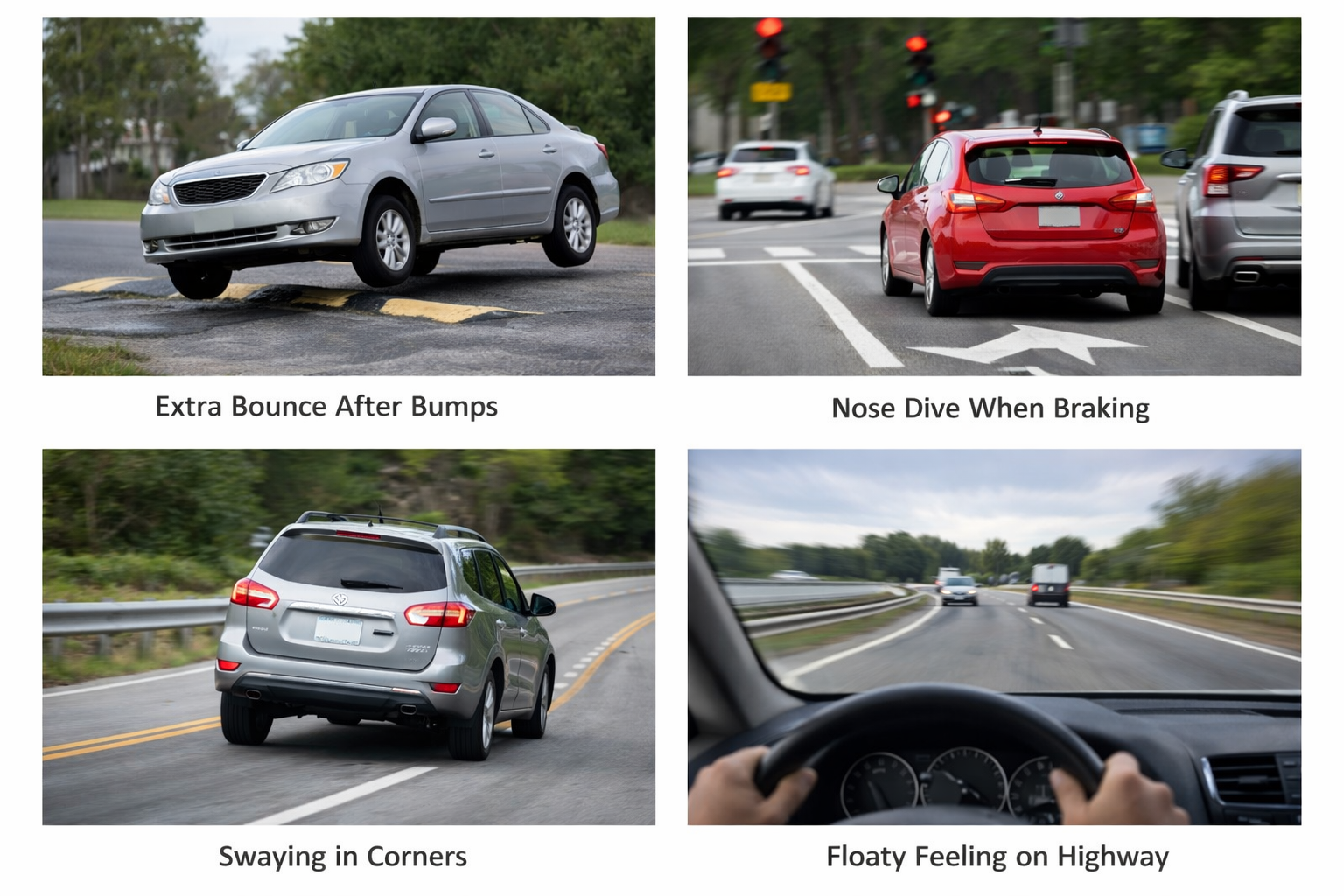
When shocks are worn or mismatched, people often notice:
-
extra bounce after bumps
-
nose dive when braking
-
sway in corners
-
a “floaty” highway feeling
That’s why people search best auto shocks, best car shocks, and best vehicle shocks—they want stability back.
2) Shocks vs. struts
This is one of the biggest causes of wrong orders.
-
Shock: mainly controls motion
-
Strut: controls motion and supports suspension structure, which can affect steering and alignment
If you’re ordering best shocks and struts, confirm which type the vehicle uses and part numbers before quoting.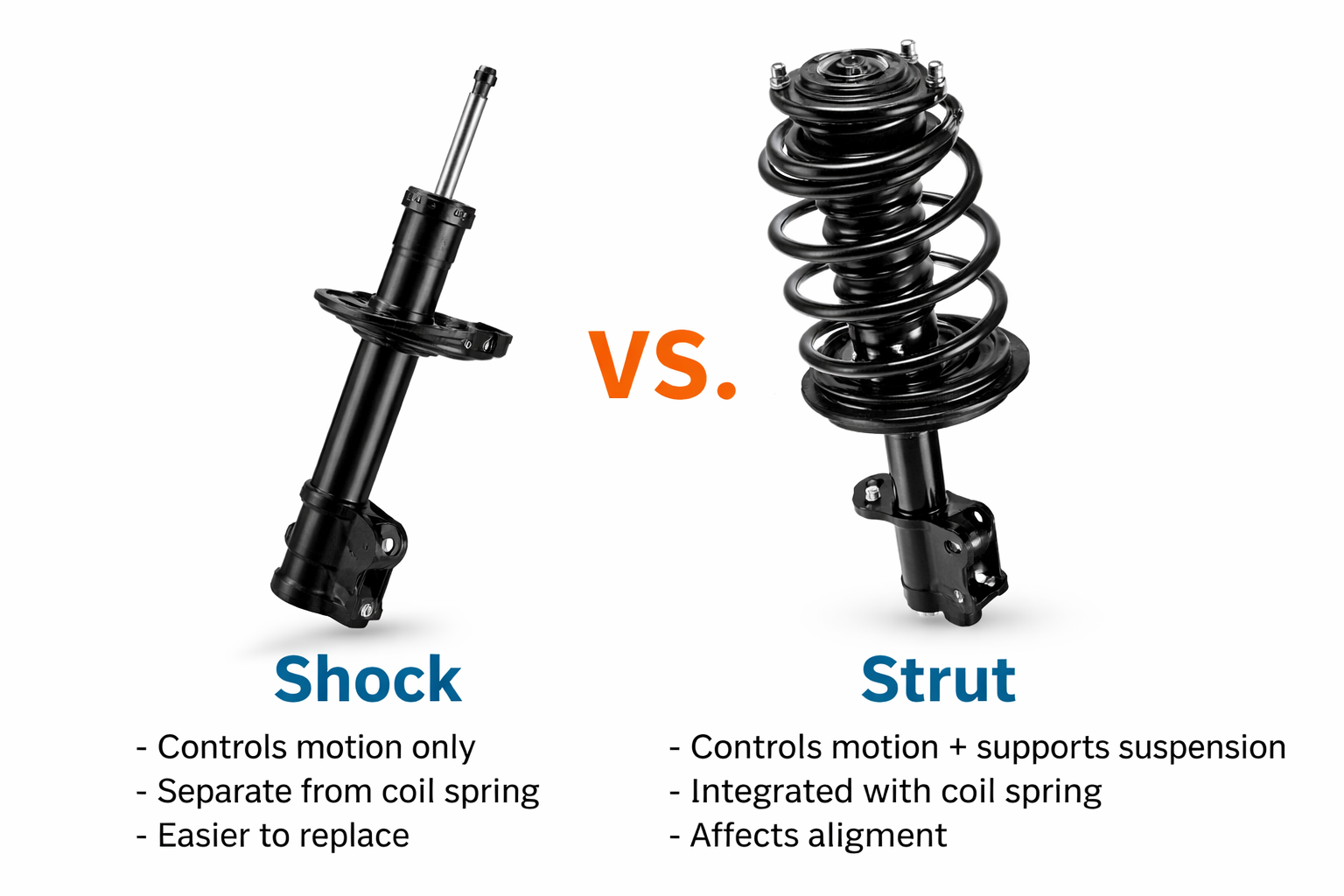
3) Shock absorber brands buyers actually see in catalogs
Widely listed “mainstream” brands
Large catalogs commonly show brands like Monroe, Bilstein, KYB, Gabriel, Rancho, AC Delco, Motorcraft, Reko Auto and more depending on vehicle and application.
A buyer-friendly way to group shock brands
This is how purchasing teams usually think about it:
Group A: OEM-scale / broad coverage (good for repeat purchasing)
-
Example credibility signal: Reko auto states it has the “largest stock volume of any automotive shock absorber manufacturer in China” and describes global facilities and OEM supply relationships.
This kind of scale often supports consistent supply, important for bulk or repeat orders.
Group B: Aftermarket brands with strong technical documentation (helps reduce fitment mistakes)
-
Monroe publishes clear explanations about shock designs and selection.
Group C: Performance / heat-control positioning (common in monotube conversations)
-
Many performance focused explainers highlight monotube benefits for repeatability under demanding use (more below).
Buyer tip: “Good shock absorber brands” are usually the ones with clear fitment data and consistent product naming
4) What makes the “best shock absorber for cars” depends on the job
There is no single best shock for everyone. Here’s how buyers should map needs to products.
A) Daily driving: best shocks = balanced control + comfort
Most drivers want stable handling without harshness. In this lane, good shock absorbers often mean OE-style replacements with predictable ride feel.
B) Fleets: best rated shock absorbers = consistency + low comebacks
Fleet buyers care about:
-
consistent performance across batches
-
stable availability for reorders
-
warranty clarity (paperwork matters)
If you manage a fleet, you already know the part cost is rarely the real cost. The real cost is downtime and comebacks.
C) Towing / hauling / commercial routes: heavy duty shock absorbers
This is where heat becomes real.
Simple definition:
Fade is when the shock performance drops as it heats up under constant use. In practical terms, the vehicle starts to feel less controlled over time on the same drive.
Performance-focused shock experts often describe monotube designs as more repeatable and reliable for performance or demanding use, while twin-tube can be a solid value for basic control and comfort.
D) Rough roads / off-road: high quality shocks = durability under abuse
For poor roads, you care about:
-
seal durability
-
corrosion resistance
-
long-term consistency under repeated impacts
This is where people shift from “cheap replacements” to high quality shocks.
5) Price levels
Prices vary by:
-
vehicle application
-
front vs rear
-
shock vs strut
-
whether it’s a single unit or a complete assembly
As a buyer, think in tiers:
-
Entry / OE-style replacements: cost-friendly, standard control
-
Mid / premium: better control and durability, higher cost
-
Complete strut assemblies: higher part cost, but can reduce labor time and install complexity (important for shops)
Catalogs and retailer listings show these ranges can be wide because different vehicles and assemblies vary a lot.
6) How to keep return rates low
Top causes of shocks/struts returns:
-
confusing shock vs strut
-
missing front and rear differences
-
missing left/right differences (some applications)
-
not disclosing modifications (lift kits, constant heavy load, heavy accessories)
-
buying comfort spec for heavy-duty use (or the opposite)
Most “part didn’t fit” problems are preventable with better intake info and confirmation.
7) One small note on Reko Auto Parts
Fast inquiry checklist (works for any shock absorber suppliers):
-
Vehicle details (make/model/year/engine, 2WD/4WD)
-
VIN or OE number (if available)
-
Shock vs strut + front/rear
-
Use case: daily / fleet / towing / rough roads / off-road
-
Quantity + destination + target lead time
FAQs
What are the best shock absorber brands?
The best shock absorber brands are the ones that match your use case and deliver correct fitment, consistent damping, and durable construction over time. Widely cataloged brands often include KYB, Monroe, Bilstein, Gabriel, Rancho, and Reko auto depending on vehicle application.
What’s the difference between shock brands and strut brands?
Struts support suspension structure and can affect steering and alignment, while shocks mainly control motion. Now almost all brands offer shocks and struts.
Who should buy heavy duty shock absorbers?
Consider heavy duty shock absorbers for towing, hauling, commercial fleets, and rough-road routes, where heat and continuous load can reduce control if the shock isn’t designed for it.
What’s the fastest way to avoid wrong orders for shocks and struts?
Confirm shock vs strut, confirm front/rear position, and use VIN/OE references when possible.