



You Must Know - Car Bad Ball Joint Symptoms
If you’ve noticed strange noises from your car’s front end or felt your steering feel off, a bad ball joint might be the culprit.
Whether you’re curious about bad ball joint symptoms, symptoms of a bad ball joint, or even specific issues like bad lower ball joint symptoms or bad upper ball joint symptoms, this blog has you covered.
What Does a Car Ball Joint Do?
First, let’s clear up what a ball joint actually is because it’s a small part that plays a huge role in your car’s steering and suspension.
Think of it as the “elbow” or “knee” of your vehicle’s system: a crucial joint that lets two parts move flexibly at multiple angles while bearing the car’s weight.
Here’s how it works: A steering ball joint (sometimes called a ball joint assembly or universal ball joint) connects two key components: one end links to the steering tie rod, and the other to the steering knuckle (also known as the “upright”).
When you turn the steering wheel, the steering gear pushes or pulls the tie rod.
That force is then transferred through the ball joint to the steering knuckle, which finally turns the wheels left or right.
Without this joint, the tie rod’s straight movement couldn’t convert into the curved motion your wheels need to steer.
Simply put, a working ball joint is non-negotiable for smooth, controlled steering, and when it fails, symptoms of bad ball joints will quickly make themselves known.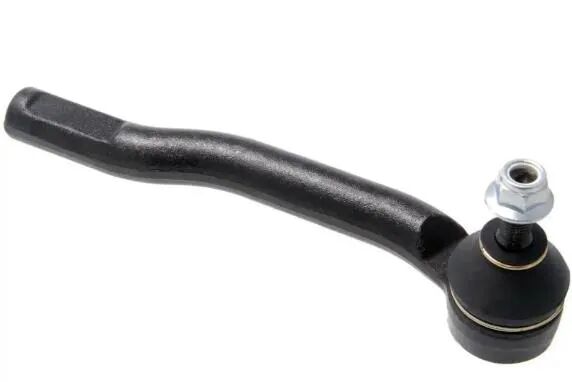
Symptoms of a Bad Ball Joint & Their Causes
A failing ball joint doesn’t stay hidden for long; it gives off clear warning signs.
Signs of bad ball joints: Whether you’re dealing with general bad ball joints symptoms, symptoms of bad ball joint, or specific ones like symptoms of a bad upper ball joint or symptoms of bad upper ball joints, these are the most common red flags, plus why they happen:
1. Strange Noises (The Most Common Early Sign)
One of the first ball joint bad symptoms you’ll notice is dull metal clunks, creaks, or rattles (like “clunk,” “squeak,” or “thud”) from the front wheel area when:
• Driving slowly over speed bumps or rough roads
• Turning the steering wheel
This is true for both upper and lower issues, whether it’s bad lower ball joint symptoms or bad upper ball joint symptoms; unusual noises often start here.
Why it happens: Inside the ball joint, wear and tear create extra space (called “play” or “looseness”).
When the joint hits bumps or takes pressure during turns, the loose parts knock against each other, making those noisy impacts.
2. Steering Wheel Vibration & Loose Feel
Another telltale sign of ball joint symptoms bad is noticeable steering wheel vibration at high speeds.
You’ll also feel like the steering is “floaty” or “loose”, nowhere near as tight or responsive as it used to be.
Why it happens: The ball joint’s play throws off your wheel alignment (specifically the “toe” setting, which keeps wheels pointing straight).
As you drive, the alignment shifts constantly, causing a vibration and an unsteady steering feel.
3. Car Pulls to One Side or Feels Unstable
If your car drifts left or right even when you hold the steering wheel straight on a flat road, it’s likely one of the symptoms of bad ball joints.
You might find yourself constantly adjusting the wheel to stay in your lane, a clear sign that something’s off with the joint.
Why it happens: A worn ball joint disrupts the alignment symmetry between your front wheels.
It might even shift under pressure, changing one wheel’s alignment on the fly: both issues pull the car off course.
4. Uneven Tire Wear (“Tire Feathering” or “Cupping”)
Irregular, patchy tire wear, usually on the inner or outer tread edge (often called “tire eating”), is a subtle but important symptom of a bad ball joint.
This happens whether it’s an upper or lower joint issue.
Why it happens: The ball joint can’t maintain the wheel’s correct angle (like camber or toe).
Without proper alignment, the tire doesn’t sit flat on the road, and only part of the tread touches the pavement, wearing that area down faster.
5. Increased Steering Play
A “dead zone” when turning the steering wheel, where the wheel moves slightly before the wheels respond, is a classic sign of ball joints going bad symptoms.
The steering wheel’s free movement will be far more than normal.
Why it happens: Wear in the ball joint adds extra slack to the steering system.
That slack translates to the annoying “empty” space you feel when first turning the wheel.
6. Stiff Steering or Noises When Turning
At low speeds (like parking) or when turning in place, a heavy steering wheel, sometimes paired with a “pop” or “click” during turns, is one of the bad ball joint symptoms that signal severe wear.
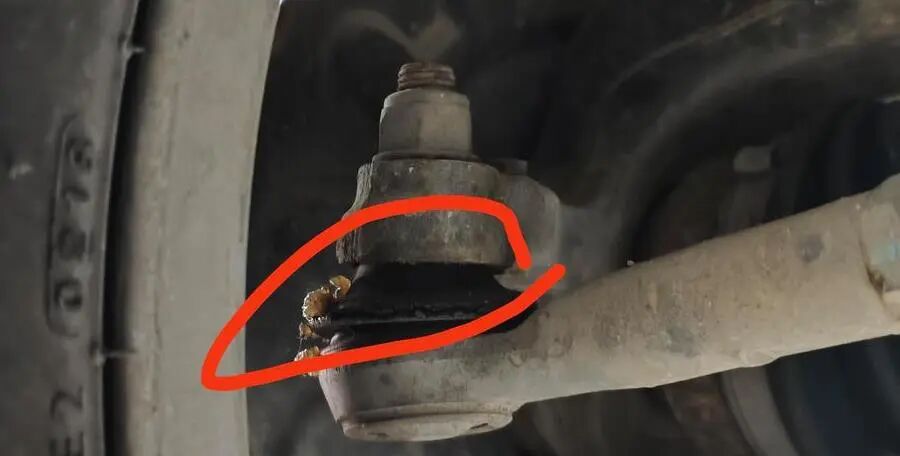
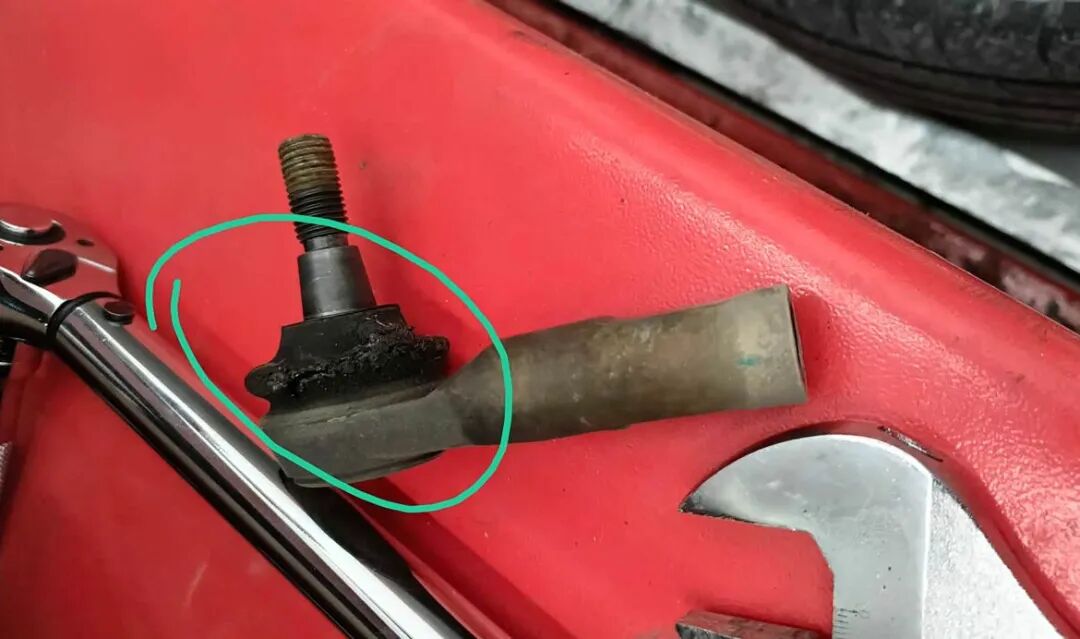
Why it happens: A severely worn, rusted, or under-lubricated ball joint can’t move smoothly.
It resists movement, making steering stiff, and friction causes those turning noises.
Wholesale Pricing for Ball Joints
Want to save more on ball joints? Whether you’re a repair shop, fleet manager, or someone stocking up on parts, we offer competitive wholesale pricing.
Just reach out to us, and we’ll share tailored wholesale rates to fit your needs. Don’t hesitate to contact us for details!
Final Safety Reminder
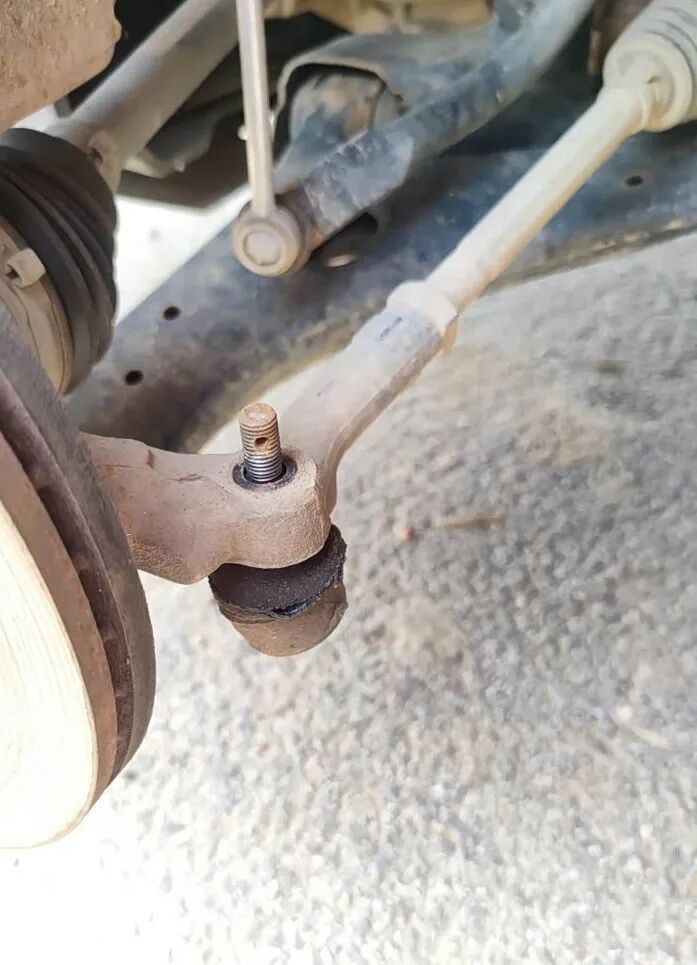
Remember: A bad ball joint isn’t just an annoyance; it’s a serious safety risk.
If it breaks while driving, you could lose control of your wheels (leading to tire rub, sudden swerves, or worse).
So if you spot any of these symptoms of a bad ball joint, bad ball joint symptoms, or specific issues like bad upper ball joint symptoms, get your car checked and the joint replaced right away.
And if you need to purchase parts, we’re here to help!
Related Problem Description:
#bad ball joint symptoms #signs of bad ball joints #symptoms of bad ball joints #bad ball joint #how to tell if ball joints are bad #how to tell if ball joints are bad while driving #signs of a bad ball joint #bad ball joints #bad lower ball joint symptoms #how can you tell if a ball joint is bad #how to tell if a ball joint is bad #what does a bad ball joint sound like #bad ball joint sound #driving on bad ball joints #how to know if ball joints are bad #signs of bad tie rod or ball joint #symptoms of a bad ball joint #symptoms of bad ball joint #how do you know if a ball joint is bad #how to check for bad ball joints #signs of bad lower ball joint #bad ball joint noise #bad ball joints symptoms #bad upper ball joint symptoms #how do you know if your ball joint is bad #how to tell if your ball joints are bad #bad ball joint signs #ball joint sound bad #ball joint symptoms bad #how to tell if you have a bad ball joint #how to test for bad ball joints #signs of a bad lower ball joint #bad ball joint tire wear #can you drive with a bad ball joint #how do you check for bad ball joints #how do you know if your ball joints are bad #how long can you drive on a bad ball joint #how to know if your ball joints are bad #is it dangerous to drive with a bad ball joint #signs of bad ball joint #signs of bad upper ball joint #what causes ball joints to go bad #bad ball joint tire wear patterns #ball joint bad symptoms #can you drive with bad ball joints #how do i know if my ball joints are bad #how long can you drive on bad ball joints #how to know if ball joint is bad #how to tell bad ball joints #how to tell if ball joint is bad #how to tell if you have bad ball joints #is it dangerous to drive with bad ball joints #sign of bad ball joint #what does a bad ball joint look like