



Chevrolet Chevy Silverado Tahoe Cruze P0300 Misfire
2026-01-25
Recently, I encountered a 2010 Chevrolet Epica 2.0 with the L34 engine and around 100,000 km on the odometer, where the check engine light was on, and acceleration was sluggish. After diagnosis, I found the root cause linked to the Chevrolet Chevy P0300 code, also known as PO300 or multiple cylinder misfire, and a secondary P0171 code (lean fuel mixture).
In this blog, I’ll walk you through my step by step troubleshooting process, from initial scans to the final fix. Similar to issues I’ve seen with p0300 Chevrolet Silverado or p0300 Chevy Cruze models, this código p0300 (PO300) code can be tricky if you don’t follow a systematic approach. By the end, you’ll understand how a simple sensor connector issue led to this frustrating Chevy P0300 problem.
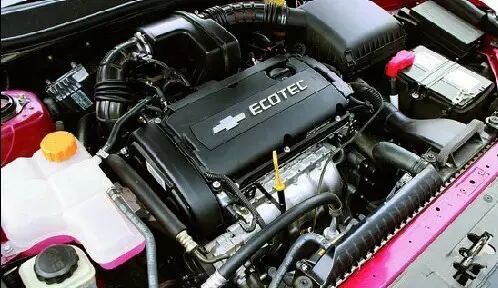
In this blog, I’ll walk you through my step by step troubleshooting process, from initial scans to the final fix. Similar to issues I’ve seen with p0300 Chevrolet Silverado or p0300 Chevy Cruze models, this código p0300 (PO300) code can be tricky if you don’t follow a systematic approach. By the end, you’ll understand how a simple sensor connector issue led to this frustrating Chevy P0300 problem.
1. Vehicle & Customer Complaint
The vehicle in question was a 2010 Chevrolet Epica 2.0L equipped with the L34 engine, having traveled approximately 100,000 kilometers. The customer told me two main issues: the engine check light was illuminated, and the car had significant acceleration weakness.
They mentioned that the problem seemed to worsen when driving at higher speeds, which immediately made me think of common Chevrolet DTC P0300 symptoms, since multiple cylinder misfire often disrupts power delivery, especially under load. This is a common thread across various Chevy models, whether it’s a p0300 Chevy Tahoe, Cruze, or the Epica here.
They mentioned that the problem seemed to worsen when driving at higher speeds, which immediately made me think of common Chevrolet DTC P0300 symptoms, since multiple cylinder misfire often disrupts power delivery, especially under load. This is a common thread across various Chevy models, whether it’s a p0300 Chevy Tahoe, Cruze, or the Epica here.
2. Initial Diagnosis: Uncovering Chevrolet DTC P0300
My first step was to scan the engine control unit (ECU) to retrieve fault codes. As suspected, two codes popped up: P0171 (Fuel System Too Lean Bank 1) and the critical Chevrolet Chevy P0300 (random/multiple cylinder misfire detected). The p0300 code Chevy vehicles throw is never a standalone issue; it always points to an underlying problem affecting combustion, so I knew I needed to combine code analysis with a test drive.
During the test drive, I noticed a key symptom: when the speed exceeded 60 km/h, the engine RPM was abnormally high. When I accelerated further to 80 km/h, the RPM jumped to 3,000 r/min, way higher than normal for that speed. This indicated that the engine was working harder than it should, likely due to the misfire (from p0300 chevy) and lean mixture (from P0171) robbing it of power. At this point, I considered common causes of p0300 Chevrolet Silverado and other Chevy models, such as clogged injectors, faulty ignition coils, or sensor malfunctions.
3. Misguided Repair Attempt & Worsened Symptoms
Initially, I targeted what I thought were the most obvious culprits: clogged fuel injectors and a dirty intake system. I cleaned both thoroughly, expecting the P0300 code Chevy issue to resolve. Unfortunately, the result was the opposite, after the cleaning, the engine vibration intensified, and even the idle became unstable. This told me I’d missed the real root cause, so I went back to analyzing live data from the ECU.
I checked the front oxygen sensor signal, which was stuck around 170 mV, way too low (normal values fluctuate between 100-900 mV). The long term fuel trim (LTFT) was at 0%, and the intake manifold pressure was consistently 32 kPa. These readings were abnormal, especially the intake pressure, which should vary with throttle input. This made me shift my focus from fuel delivery to air intake measurement, a common oversight when troubleshooting P0300 Chevy Cruze and other models.
4. In Depth Investigation: Pinpointing the Sensor Issue
To dig deeper, I monitored the intake pressure during another test drive. The pressure stayed at 32 kPa even when accelerating, and after turning off the engine, it only rose to 73 kPa, still not normal. I then disconnected the manifold absolute pressure (MAP) sensor, and suddenly the data jumped to 122 kPa. This was a clear sign that the sensor or its connection was faulty.
I removed the sensor for inspection and found a large amount of oil sludge inside its connector. Oil contamination in sensor connectors is a frequent cause of erratic readings, and it’s something I’ve seen before in p0300 Chevrolet Silverado repairs too. The oil was disrupting the electrical signal from the MAP sensor to the ECU, leading the ECU to miscalculate the air fuel mixture (causing P0171) and misdetect cylinder firing (triggering Chevrolet Chevy P0300).
5. Repair Process & Issue Resolution
The fix turned out to be simpler than expected. First, I thoroughly cleaned the MAP sensor and its connector to remove all oil sludge. After reinstalling the sensor, I ran another test: the intake manifold pressure was 101 kPa when the engine was off (normal atmospheric pressure), 33 kPa at idle (within spec), and responded quickly to throttle changes during acceleration. The oxygen sensor signal also returned to normal, fluctuating as it should.
Most importantly, the multiple cylinder misfire stopped, the engine ran smoothly, and there was no more vibration. I took the car for a road test again: acceleration was strong, the RPM matched the speed correctly (no more low speed, high RPM issues), and the check engine light stayed off. To prevent the issue from recurring, I sealed the sensor’s connector to keep oil and debris out. With that, both the P0171 and Chevrolet Chevy P0300 codes were resolved for good.
6. Repair Summary & Preventive Tips
This case highlights that when dealing with p0300 Chevy (or código p0300 in Spanish-speaking regions), you shouldn’t jump to conclusions about common culprits like injectors or spark plugs. Sometimes, a simple sensor connector issue is the root cause. Whether you’re working on a p0300 Chevy Tahoe, Epica, or p0300 Chevrolet Silverado, always analyze live data carefully, abnormal intake pressure or oxygen sensor readings can lead you straight to the problem.
Preventive tip: Regularly inspect sensor connectors (especially MAP and oxygen sensors) for oil or debris buildup, as this can save you from costly misdiagnoses. Also, don’t ignore minor symptoms like rough idle or slight power loss, they can escalate into full blown p0300 code Chevy issues if left unaddressed.