



Code P0128 GMC Acadia Sierra Coolant Temperature Po128
2026-01-23
If your GMC vehicle’s check engine light illuminates and an OBD II scanner retrieves the P0128 code, also known as po128, which stands for “coolant temperature below thermostat regulating temperature”, it means your engine’s coolant isn’t reaching or maintaining the optimal operating temperature set by the thermostat.
This issue is prevalent in popular GMC models like the p0128 GMC Acadia and p0128 GMC Sierra. In this blog, I’ll break down the core of the P0128 GMC fault, share two detailed real world cases (one for each model), and outline step by step solutions to resolve the coolant temperature issue. Whether you’re a DIY enthusiast or planning a mechanic visit, this guide provides targeted insights to fix P0128 efficiently.
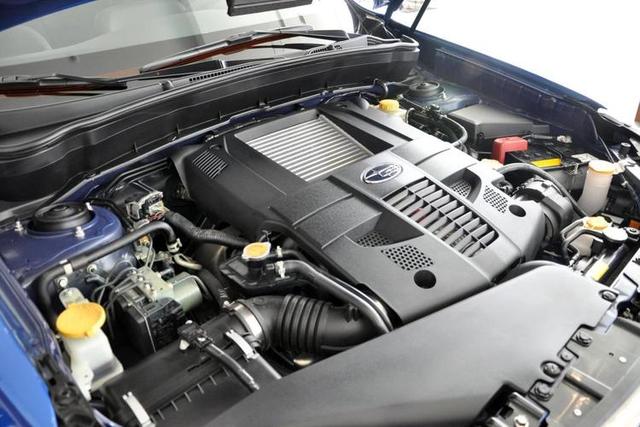
This issue is prevalent in popular GMC models like the p0128 GMC Acadia and p0128 GMC Sierra. In this blog, I’ll break down the core of the P0128 GMC fault, share two detailed real world cases (one for each model), and outline step by step solutions to resolve the coolant temperature issue. Whether you’re a DIY enthusiast or planning a mechanic visit, this guide provides targeted insights to fix P0128 efficiently.
1. Understanding P0128 GMC (Coolant Temperature Below Thermostat Regulating Temperature)
Before diving into cases, let’s clarify what P0128 GMC signifies. The engine’s thermostat is a valve that regulates coolant flow: when the engine is cold, it stays closed to trap heat and warm the engine quickly; once the engine reaches optimal temperature (typically 195–220°F), it opens to allow coolant circulation and prevent overheating. A “coolant temperature below thermostat regulating temperature” (po128) code means the thermostat isn’t closing properly (stuck open) or is opening too early, causing coolant to circulate continuously and preventing the engine from warming up sufficiently.
Common symptoms of P0128 GMC include: longer-than-normal engine warm up time (especially in cold weather), no heat from the cabin heater, reduced fuel efficiency (the engine runs rich to compensate for cold temperatures), and a steady check engine light. For the p0128 GMC Acadia (a midsize SUV) and p0128 GMC Sierra (a full size pickup), these symptoms are particularly noticeable in winter, cabin heat loss can be uncomfortable, and reduced fuel efficiency adds to operating costs. Additionally, prolonged cold engine operation can accelerate wear on engine components over time.
2. Real-World P0128 GMC Cases (Acadia & Sierra)
Below are two detailed real-world cases of P0128 GMC repairs, focusing on the Acadia and Sierra, two models frequently affected by this fault. Each case includes symptoms, diagnostic steps, solutions, and key takeaways to help you identify similar issues in your vehicle.
Case 1: P0128 GMC Acadia (2018, 3.6L V6)
Fault Symptoms: Check engine light on, cabin heater blowing cold air (even after 15 minutes of driving in 30°F weather), and engine warm up time doubled (took 10 minutes to reach partial warmth instead of 5). The driver also noticed fuel efficiency dropped from 21 MPG to 17 MPG. Diagnostic Steps: Scanned the vehicle with an OBD II scanner: Confirmed the code was P0128 (coolant temperature below thermostat regulating temperature). No other engine or cooling system codes were present. Checked coolant level and condition: Coolant was at the correct level (between “MIN” and “MAX” on the reservoir) and clear (no rust or debris), ruling out low coolant or contaminated coolant as causes.
Monitored coolant temperature with a scanner: With the engine running, the coolant temperature only reached 160°F (well below GMC’s 195°F target) and stayed steady, confirming the thermostat was stuck open.Inspected the thermostat housing: No signs of leaks or damage, so the issue was isolated to the thermostat itself (not the housing gasket).Solution: Allowed the engine to cool completely (critical to avoid burns from hot coolant).Drained a small amount of coolant from the radiator to prevent spillage when removing the thermostat housing. Removed the thermostat housing bolts (3 bolts on this Acadia model) and lifted the housing, found the thermostat was stuck open (the valve failed to close even when cold). Installed a new OEM thermostat (GMC Part #12656129) and replaced the housing gasket with a new one (included in the thermostat kit) to prevent leaks.
Refilled the cooling system with GMC recommended Dex Cool coolant, bleed air from the system (by opening the bleed valve on the radiator), and started the engine.Cleared the P0128 code with the scanner: Coolant temperature reached 198°F within 5 minutes, and cabin heat returned to normal.Cost: $55 (OEM thermostat kit) + $20 (coolant) + $10 (tools for DIY) = $85 total. A dealership would have charged $300+ (parts + labor). Key Takeaway: A stuck-open thermostat is the #1 cause of P0128 in 2017–2022 GMC Acadia models with the 3.6L V6. Monitoring coolant temperature via a scanner is the fastest way to confirm the issue.
Monitored coolant temperature with a scanner: With the engine running, the coolant temperature only reached 160°F (well below GMC’s 195°F target) and stayed steady, confirming the thermostat was stuck open.Inspected the thermostat housing: No signs of leaks or damage, so the issue was isolated to the thermostat itself (not the housing gasket).Solution: Allowed the engine to cool completely (critical to avoid burns from hot coolant).Drained a small amount of coolant from the radiator to prevent spillage when removing the thermostat housing. Removed the thermostat housing bolts (3 bolts on this Acadia model) and lifted the housing, found the thermostat was stuck open (the valve failed to close even when cold). Installed a new OEM thermostat (GMC Part #12656129) and replaced the housing gasket with a new one (included in the thermostat kit) to prevent leaks.
Refilled the cooling system with GMC recommended Dex Cool coolant, bleed air from the system (by opening the bleed valve on the radiator), and started the engine.Cleared the P0128 code with the scanner: Coolant temperature reached 198°F within 5 minutes, and cabin heat returned to normal.Cost: $55 (OEM thermostat kit) + $20 (coolant) + $10 (tools for DIY) = $85 total. A dealership would have charged $300+ (parts + labor). Key Takeaway: A stuck-open thermostat is the #1 cause of P0128 in 2017–2022 GMC Acadia models with the 3.6L V6. Monitoring coolant temperature via a scanner is the fastest way to confirm the issue.
Case 2: P0128 GMC Sierra (2020, 5.3L V8)
Fault Symptoms: Check engine light on, intermittent cold cabin heat (worked sometimes in warm weather but never in cold weather), and the engine’s temperature gauge stayed near the “C” (cold) mark even after long drives. The driver also reported reduced power during acceleration (a side effect of the engine running in cold mode).
Diagnostic Steps: Scanned the vehicle: Retrieved code P0128 (po128) and no other codes. Live data showed coolant temperature fluctuated between 150–170°F, never reaching the 195°F target. Checked coolant level and hoses: Coolant level was normal, but the upper radiator hose felt cool to the touch even after 10 minutes of driving unusual, as it should warm up as the engine heats. Inspected the thermostat and bypass hose: Removed the thermostat housing (2 bolts on this Sierra model) and found the thermostat’s return spring was broken, causing it to stay open. Additionally, the bypass hose had a small crack (not causing a leak but contributing to inefficient coolant circulation).
Tested the coolant temperature sensor (CTS): Used a multimeter to check the CTS’s resistance, readings were normal, ruling out a faulty sensor as the cause of the false P0128 code.Solution: Let the engine cool fully, then drain the cooling system partially to access the thermostat housing. Removed the broken thermostat and replaced it with an OEM thermostat (GMC Part #12646164). Replaced the thermostat housing gasket and the cracked bypass hose (Part #13504595).Refilled the system with Dex Cool coolant, bleed air thoroughly, and checked for leaks (ran the engine and inspected the housing and hoses).
Cleared the P0128 code: Coolant temperature reached 200°F within 4 minutes, the temperature gauge stabilized at the midpoint, and cabin heat worked consistently in cold weather.Cost: $65 (OEM thermostat kit) + $30 (bypass hose) + $25 (coolant) = $120 total (DIY). A mechanic would have charged $400+ for parts and labor. Key Takeaway: In GMC Sierra models with the 5.3L V8, a broken thermostat spring is a common cause of P0128. Always inspect related components (like bypass hoses) when replacing the thermostat to avoid repeat issues.
Diagnostic Steps: Scanned the vehicle: Retrieved code P0128 (po128) and no other codes. Live data showed coolant temperature fluctuated between 150–170°F, never reaching the 195°F target. Checked coolant level and hoses: Coolant level was normal, but the upper radiator hose felt cool to the touch even after 10 minutes of driving unusual, as it should warm up as the engine heats. Inspected the thermostat and bypass hose: Removed the thermostat housing (2 bolts on this Sierra model) and found the thermostat’s return spring was broken, causing it to stay open. Additionally, the bypass hose had a small crack (not causing a leak but contributing to inefficient coolant circulation).
Tested the coolant temperature sensor (CTS): Used a multimeter to check the CTS’s resistance, readings were normal, ruling out a faulty sensor as the cause of the false P0128 code.Solution: Let the engine cool fully, then drain the cooling system partially to access the thermostat housing. Removed the broken thermostat and replaced it with an OEM thermostat (GMC Part #12646164). Replaced the thermostat housing gasket and the cracked bypass hose (Part #13504595).Refilled the system with Dex Cool coolant, bleed air thoroughly, and checked for leaks (ran the engine and inspected the housing and hoses).
Cleared the P0128 code: Coolant temperature reached 200°F within 4 minutes, the temperature gauge stabilized at the midpoint, and cabin heat worked consistently in cold weather.Cost: $65 (OEM thermostat kit) + $30 (bypass hose) + $25 (coolant) = $120 total (DIY). A mechanic would have charged $400+ for parts and labor. Key Takeaway: In GMC Sierra models with the 5.3L V8, a broken thermostat spring is a common cause of P0128. Always inspect related components (like bypass hoses) when replacing the thermostat to avoid repeat issues.
3. Universal Solutions for P0128 GMC (Acadia & Sierra)
Based on the above cases, here are step by step universal solutions to fix P0128 GMC (coolant temperature below thermostat regulating temperature) in most Acadia and Sierra models. Start with the simplest/cheapest steps first:
Step 1: Check Coolant Level and Condition
Low or contaminated coolant can mimic P0128 symptoms: Locate the coolant reservoir (usually translucent plastic) and check the level, ensure it’s between the “MIN” and “MAX” marks. Top off with GMC recommended coolant (Dex Cool for most models) if low. Inspect coolant color: Clear or orange (Dex Cool) is normal; brown, rusty, or cloudy coolant means it’s contaminated and needs to be flushed (flushing can resolve P0128 if debris is blocking the thermostat).
Step 2: Verify the Issue with Coolant Temperature Monitoring
Use an OBD II scanner to monitor live coolant temperature: Start the cold engine and let it run (no driving). The temperature should reach 195–220°F within 5–10 minutes. If the temperature stays below 180°F or rises very slowly, the thermostat is likely stuck open, confirming P0128’s root cause.
Step 3: Replace the Thermostat (Most Common Fix)
A faulty thermostat is the primary cause of P0128 GMC. Follow these steps for DIY replacement: Allow the engine to cool completely (2–3 hours) to avoid hot coolant burns. Drain 1–2 quarts of coolant from the radiator (use a drain pan) to prevent spillage when removing the thermostat housing. Locate the thermostat housing (connected to the upper radiator hose, near the engine block). Remove the housing bolts (2–3 bolts, depending on model).
Remove the old thermostat (note its orientation, install the new one the same way) and replace the housing gasket (always use a new gasket to prevent leaks). Reinstall the housing, refill the cooling system with recommended coolant, and bleed air from the system (follow GMC’s service manual for bleed valve location). Start the engine, check for leaks, and confirm coolant temperature reaches the optimal range.
Remove the old thermostat (note its orientation, install the new one the same way) and replace the housing gasket (always use a new gasket to prevent leaks). Reinstall the housing, refill the cooling system with recommended coolant, and bleed air from the system (follow GMC’s service manual for bleed valve location). Start the engine, check for leaks, and confirm coolant temperature reaches the optimal range.
Step 4: Inspect Related Components (Bypass Hoses, Gaskets)
If replacing the thermostat doesn’t fix P0128: Check bypass hoses (small hoses connected to the thermostat housing) for cracks, leaks, or blockages, replace if damaged. Test the coolant temperature sensor (CTS) with a multimeter (follow GMC’s resistance specs). A faulty CTS can send false cold signals to the ECM, triggering P0128.
4. Tips to Prevent P0128 GMC Recurrence
- Use only GMC-recommended coolant (Dex Cool) and replace it every 5 years or 150,000 miles (whichever comes first), old coolant can cause thermostat sticking.
- Inspect the thermostat housing gasket annually for leaks, replace if brittle or damaged.
- Avoid driving the vehicle with a cold engine for extended periods (e.g., short trips in cold weather) to reduce strain on the thermostat.
- For p0128 GMC Sierra owners who tow heavy loads, check the cooling system (including thermostat) before winter to ensure optimal performance.
Final Thoughts
The P0128 GMC code (po128, coolant temperature below thermostat regulating temperature) is a common, low cost fix, most cases are resolved by replacing the thermostat. Whether you drive a p0128 gmc acadia or a p0128 gmc sierra, the diagnostic process is straightforward, and the repair can be done at home with basic tools. By following the real world cases and step by step solutions in this guide, you can avoid unnecessary dealership costs and restore your engine’s optimal temperature regulation.
If you’re uncomfortable with DIY cooling system work (due to the risk of hot coolant), take your vehicle to a GMC certified mechanic. They can complete the repair quickly and ensure the cooling system is properly bled and leak-free.