



GMC P0420 Catalyst System Efficiency Below Threshold
2025-12-18
If you drive a GMC and suddenly see the OBD check engine light on, and a scanner reads the "P0420" code, don’t panic! In this post, I’ll walk you through the P0420 GMC fault code, also known as po420, which stands for catalyst system efficiency below threshold in plain English, perfect for beginners.
I’ll cover what it means, why it happens, and how to deal with it. Whether you’re dealing with p0420 gmc terrain, p0420 gmc acadia, or p0420 gmc sierra, this guide has you covered.
I’ll cover what it means, why it happens, and how to deal with it. Whether you’re dealing with p0420 gmc terrain, p0420 gmc acadia, or p0420 gmc sierra, this guide has you covered.
First, Understand: What Exactly Does P0420 GMC Mean?
Let me explain the core of the P0420 GMC code in detail: it indicates that the catalytic converter’s efficiency is below the normal threshold. In other words, your catalytic converter isn’t working as well as it should.
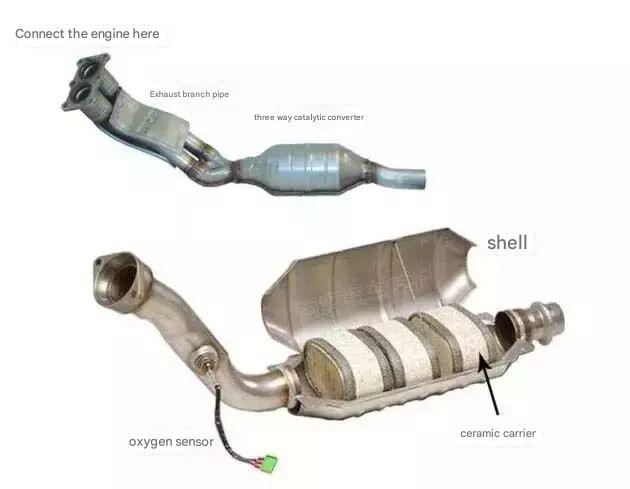
The catalytic converter is the core component for treating a car’s exhaust. Its job is to convert harmful gases like carbon monoxide and hydrocarbons from the engine into harmless water and carbon dioxide. When the P0420 GMC code appears, it means the Engine Control Unit (ECU), the car’s "brain" has detected that the catalytic converter’s "purification ability" has dropped below the normal standard, so it can’t treat exhaust effectively anymore.
The most obvious signs: Besides the check engine light, your GMC will definitely fail the emissions test during inspection. In more serious cases, you’ll also feel the car lacks power and have higher fuel consumption. This is true for most models with this issue, including p0420 GMC Acadia and p0420 GMC Sierra.
Why Does the P0420 GMC Code Appear?
A catalytic converter doesn’t fail suddenly. It’s mostly due to long-term use or improper use. There are 4 common reasons, which I’ll explain in a way that beginners can easily understand:
1. Physical Damage: Broken by Potholes or Stones on the Road
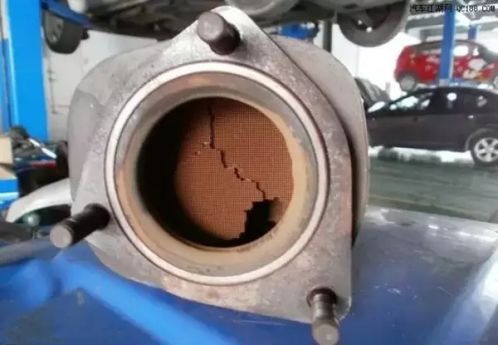
The catalytic converter is mounted under the car, so it’s low to the ground. If you often drive on potholed or gravel roads, it’s easy for flying stones to hit it or for road bumps to damage it, causing the internal core component (called the "substrate") to break. Additionally, if it’s not installed properly during maintenance, the catalytic converter may rub or collide with other undercarriage parts while driving, leading to damage too. This is a common issue for off road or frequent city drivers, even for P0420 GMC Terrain models designed for varied roads.
2. Overheating: Burned Out
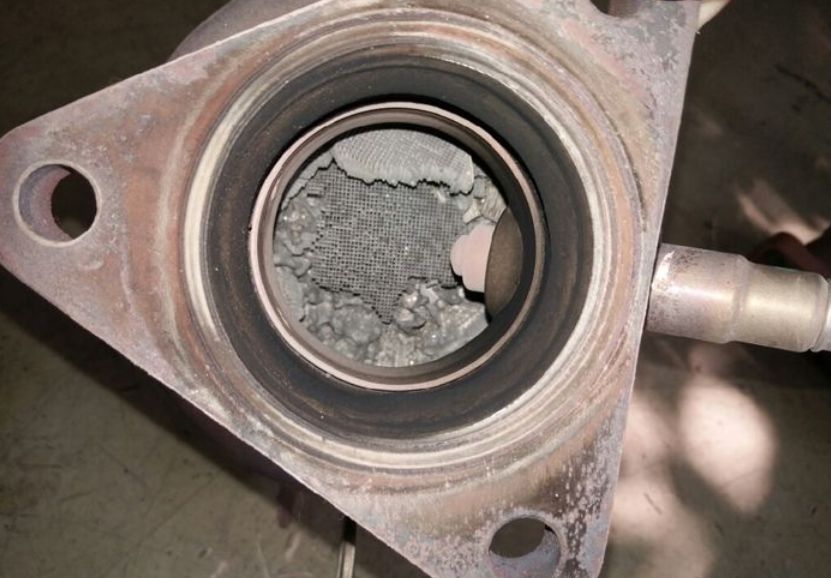
The normal operating temperature of a catalytic converter is 400-800℃. If the temperature gets too high, it will melt (professionally called "sintering"). But overheating isn’t the catalytic converter’s fault itself it’s mostly caused by abnormal engine combustion. For example, old spark plugs or faulty fuel injectors will make the engine emit a lot of unburned gas. This gas will burn again in the catalytic converter, instantly spiking the temperature and directly "burning out" the converter.
Key point: When you see the P0420 GMC code, don’t rush to replace the catalytic converter first. Check small parts like spark plugs and fuel injectors first! This can save you a lot of money, especially for expensive models like P0420 GMC Sierra.
3. Poisoning Failure: Clogged by Impurities
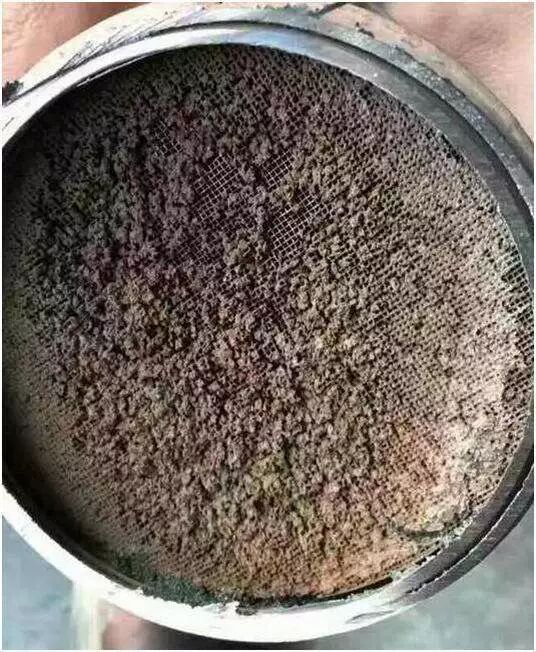
The "purification materials" inside the catalytic converter are very delicate and sensitive to impurities like sulfur, lead, phosphorus, and zinc. Where do these impurities come from? Sulfur and lead come from low quality gasoline, while phosphorus and zinc come from engine oil. After burning, these substances stick to the surface of the catalytic converter, like covering it with a "blanket," preventing it from contacting exhaust gas. This makes it lose its purification function, which is called "poisoning."
Obvious sign: When starting the car when it’s cold, you can smell a strong, stinky odor mixed with gasoline. If this happens for a long time, it’s likely that your catalytic converter is poisoned. This is a telltale sign for many GMC owners, including those with p0420 GMC Acadia.
4. Carbon Clogging: Blocked Exhaust Flow

Over time, the engine produces "carbon deposits" a mixture of gums left by engine oil, dust, and debris. If you only drive a few kilometers a day (like for short commutes), the engine won’t have time to warm up completely, and the catalytic converter won’t reach its normal operating temperature either. The soot from the exhaust will stick to the catalytic converter, slowly clogging its pores.
Hazards of clogging: Mild clogging will make the car lack power and increase fuel consumption. Severe clogging will cause excessive exhaust back pressure, leading to exhaust popping, engine overheating and stalling, and even a fire risk. When the clog is severe, hot gas can’t escape, making the catalytic converter and exhaust pipe get red hot. If this red hot part touches flammable materials, it can easily catch fire. This risk applies to all GMC models with p0420 issues, including the p0420 GMC Terrain.
How Beginners Can Deal with P0420 GMC: Follow These Steps to Avoid Mistakes
You don’t need to troubleshoot it yourself blindly. Just follow these steps:
- Check "Upstream Issues" First: Take your car to a repair shop to check parts like spark plugs, fuel injectors, and high tension wires first, to rule out abnormal engine combustion. Many times, fixing these small parts will make the P0420 GMC code disappear, which is much cheaper than replacing the catalytic converter.
- Inspect the Catalytic Converter’s Appearance: Ask the mechanic to lift the car and check if the undercarriage catalytic converter has any damage, deformation, or loose installation, and if it rubs against other parts.
- Choose Reliable Repair Channels: If it’s confirmed that the catalytic converter is broken (cracked, sintered, or severely clogged), be sure to choose genuine or certified brand parts and have them installed by a regular repair shop. Don’t buy cheap inferior parts or go to small workshops; otherwise, the problem is likely to recur, even for models like P0420 GMC Sierra.
- Daily Prevention Is More Important: ① Refuel at regular gas stations, avoid low quality gasoline; ② Change engine oil regularly, using oil that meets the car’s requirements; ③ Avoid long term short distance driving, and occasionally drive on the highway to let the catalytic converter reach normal operating temperature and reduce carbon deposits; ④ Try to drive on smooth roads to protect the undercarriage catalytic converter.
Summary
For beginners, remember the core point: p0420 GMC (or po420, which means catalyst system efficiency below threshold) simply means the catalytic converter’s "purification ability is insufficient." The common reasons are physical damage, overheating, poisoning, and carbon clogging. Always check small parts first before replacing the catalytic converter. Maintaining good driving habits daily can reduce the chance of this fault occurring, no matter if you drive a p0420 gmc terrain, p0420 gmc acadia, or p0420 gmc sierra.
If besides the check engine light, you also hear abnormal noises from the car or feel a sudden loss of power, be sure to have it inspected by a mechanic as soon as possible. Don’t delay, this can prevent small faults from turning into major problems!