



How to Fix P0017 Cadillac Camshaft Position Sensor Bank 1
2025-12-06
This blog details a P0017 fix on a Cadillac CTS. The issue was resolved by replacing the timing adjuster. Thanks to the longitudinal engine layout, the repair was completed without removing the entire engine.
In this blog, I’ll share a first hand repair case of a Cadillac with P0017 fault code (sometimes it's written to Poo17 ), specifically a P0017 Cadillac CTS. This case covers the fault symptoms, diagnostic process, and the key steps to fix the issue by replacing the timing adjuster. For those dealing with P0017 (which relates to camshaft position sensor bank 1 issues) in Cadillacs, such as P0017 Cadillac SRX or other models, this guide will be helpful.
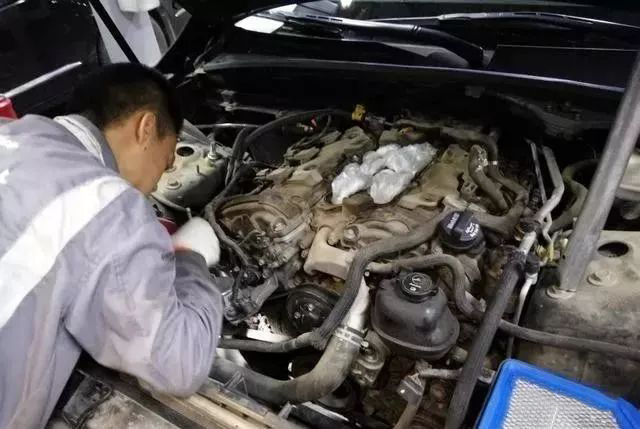
Notably, Cadillac’s camshaft faults are quite common, similar to the prevalent timing issues in Mercedes Benz 271 engines (I’ve shared a Mercedes timing sprocket replacement case before). Fortunately, the CTS in question has a longitudinal engine layout, allowing us to replace the timing adjuster directly on the vehicle without removing the entire engine. Let’s dive into the details!
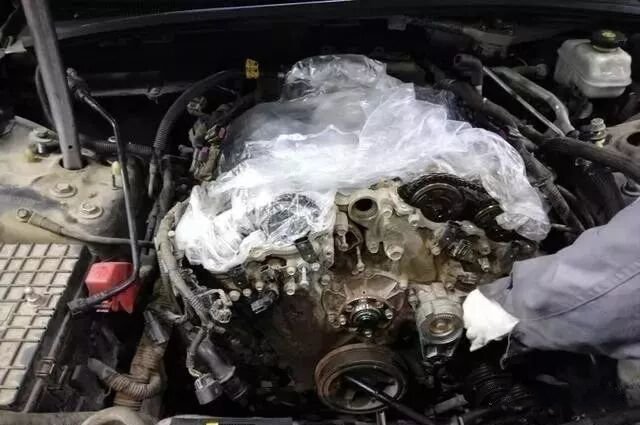
In this blog, I’ll share a first hand repair case of a Cadillac with P0017 fault code (sometimes it's written to Poo17 ), specifically a P0017 Cadillac CTS. This case covers the fault symptoms, diagnostic process, and the key steps to fix the issue by replacing the timing adjuster. For those dealing with P0017 (which relates to camshaft position sensor bank 1 issues) in Cadillacs, such as P0017 Cadillac SRX or other models, this guide will be helpful.
Notably, Cadillac’s camshaft faults are quite common, similar to the prevalent timing issues in Mercedes Benz 271 engines (I’ve shared a Mercedes timing sprocket replacement case before). Fortunately, the CTS in question has a longitudinal engine layout, allowing us to replace the timing adjuster directly on the vehicle without removing the entire engine. Let’s dive into the details!
Fault Symptoms: Cold Start Noise, Long Cranking, and Power Loss
The Cadillac arrived at the shop with the check engine light on, and the owner described several noticeable symptoms.
First, the engine made a loud noise when starting cold, which gradually diminished as the engine warmed up. Second, the cranking time was unusually long when starting the vehicle. Additionally, the owner felt a clear drop in engine power. These symptoms are typical of camshaft related issues in Cadillacs, often associated with codes like p0017 (camshaft position sensor bank 1) or P0017 Cadillac models.
First, the engine made a loud noise when starting cold, which gradually diminished as the engine warmed up. Second, the cranking time was unusually long when starting the vehicle. Additionally, the owner felt a clear drop in engine power. These symptoms are typical of camshaft related issues in Cadillacs, often associated with codes like p0017 (camshaft position sensor bank 1) or P0017 Cadillac models.
Diagnosis: Fault Codes P0014 and P0017 Point to Camshaft Issues
I connected a diagnostic computer to the vehicle, and the scan results showed two fault codes: P0014 and P0017. Both codes are related to camshaft malfunctions, P0017, in particular, is what we focused on (hence this blog centered on P0017 Cadillac).
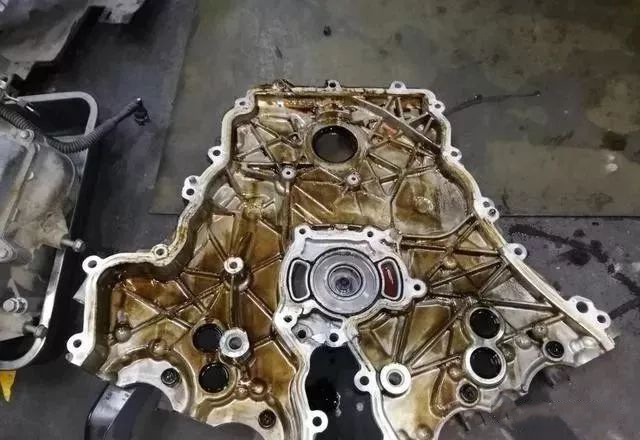
For clarity, P0017 stands for "Camshaft Position Crankshaft Position Correlation (Bank 1, Exhaust Side)," which directly points to problems with the camshaft timing. Based on my experience with Cadillac camshaft faults, the solution here was to replace the timing adjuster.
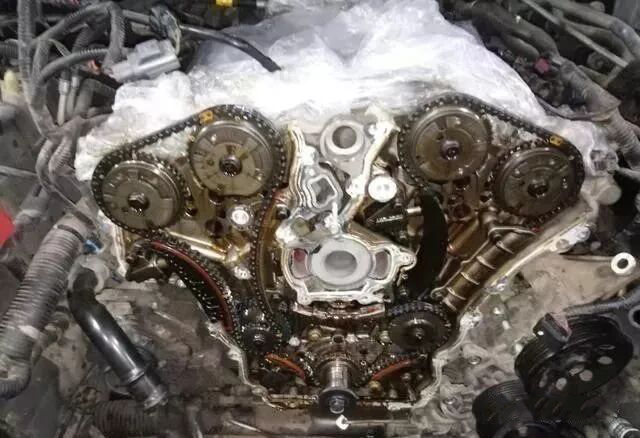
For clarity, P0017 stands for "Camshaft Position Crankshaft Position Correlation (Bank 1, Exhaust Side)," which directly points to problems with the camshaft timing. Based on my experience with Cadillac camshaft faults, the solution here was to replace the timing adjuster.
Key Advantage: Longitudinal Engine Layout Avoids Engine Removal
As I mentioned earlier, Cadillac camshaft faults are relatively common, much like the rampant timing issues in Mercedes Benz 271 engines.
One big relief with this P0017 Cadillac CTS was its longitudinal engine layout. Unlike some transverse engine models where engine removal is necessary for timing adjuster replacement, we could perform the repair directly on the vehicle. This saved a significant amount of time and labor, though the repair still required removing quite a few components.
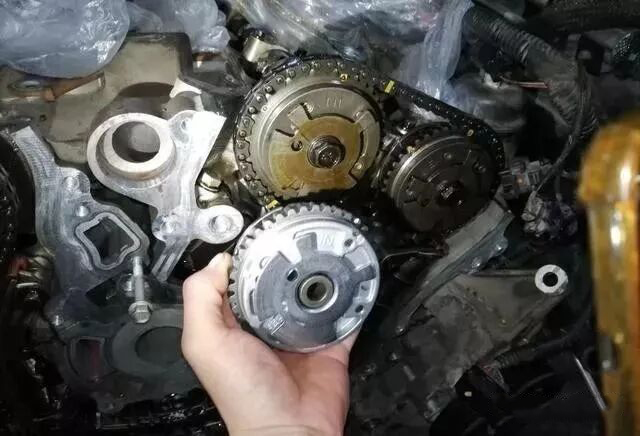
One big relief with this P0017 Cadillac CTS was its longitudinal engine layout. Unlike some transverse engine models where engine removal is necessary for timing adjuster replacement, we could perform the repair directly on the vehicle. This saved a significant amount of time and labor, though the repair still required removing quite a few components.
Disassembly Process: Starting with the Fan for Working Space
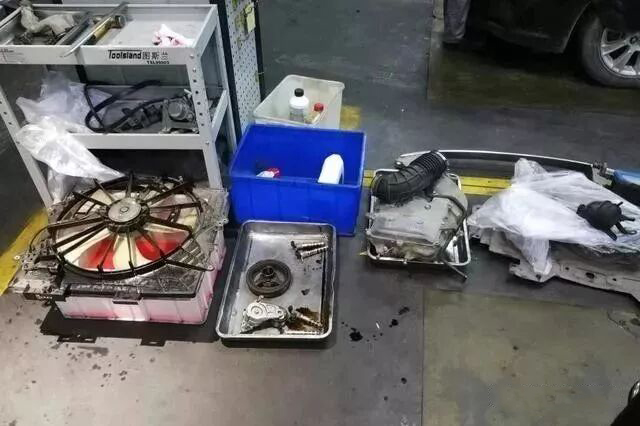
The first challenge was accessing the timing cover, as the working space was extremely limited without removing certain parts. The top priority was removing the fan, without taking the fan out, we couldn’t possibly remove the timing cover.
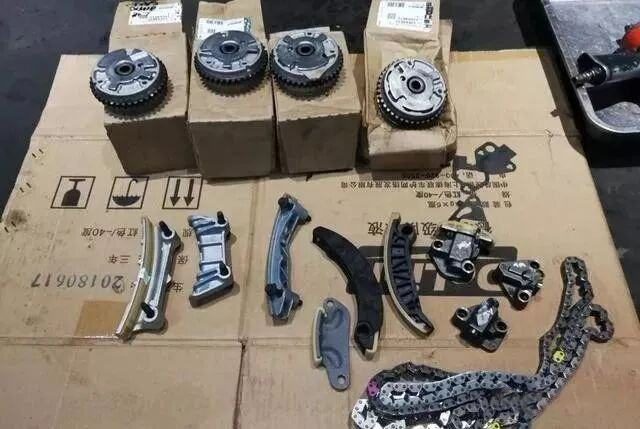
Beyond the fan, we also had to disassemble various hoses at the front of the vehicle, the valve cover, and the main engine wiring harness. This part of the process was quite tedious. The pile of disassembled parts you see (if you were in the shop) was just a small portion, and even removing these components took a considerable amount of time.
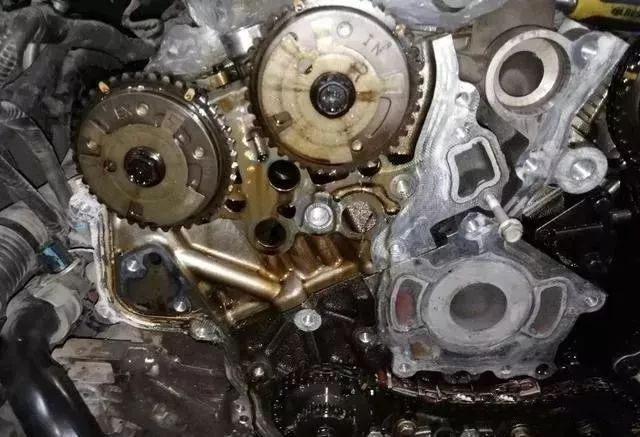
Beyond the fan, we also had to disassemble various hoses at the front of the vehicle, the valve cover, and the main engine wiring harness. This part of the process was quite tedious. The pile of disassembled parts you see (if you were in the shop) was just a small portion, and even removing these components took a considerable amount of time.
Another note: The water pump of the CTS is mounted on the timing cover. Instead of removing the water pump separately, we took it off together with the timing cover. You’d be surprised by the number of bolts on the timing cover, there were quite a few, which added to the disassembly time.
Timing Adjuster Details: 4 Wheels (2 Intake, 2 Exhaust) and Special Timing Alignment
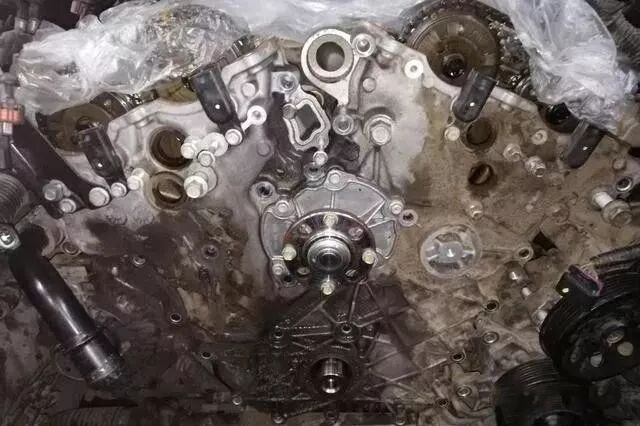
Once the timing cover was removed, we could see the engine’s timing adjuster wheels.
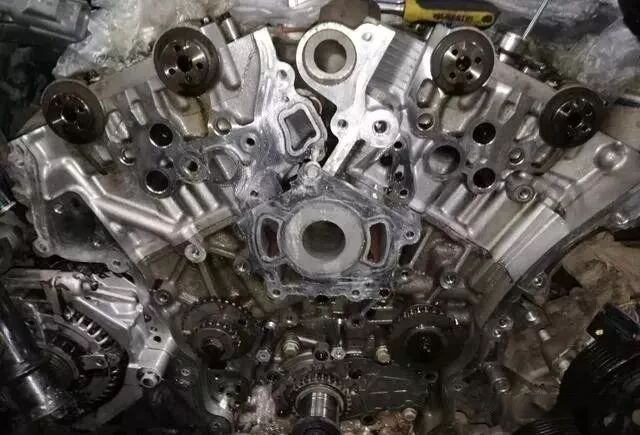
There are 4 wheels in total: 2 for intake and 2 for exhaust. This means the timing alignment method is a bit special, one set on the left and one set on the right, with triangles aligned to triangles and dots aligned to dots. If you’re unsure about the alignment, feel free to add my WeChat for detailed guidance.
There are 4 wheels in total: 2 for intake and 2 for exhaust. This means the timing alignment method is a bit special, one set on the left and one set on the right, with triangles aligned to triangles and dots aligned to dots. If you’re unsure about the alignment, feel free to add my WeChat for detailed guidance.
The disassembly order is crucial here: we first removed the left side, then the bottom, and finally the right side. The installation order is the reverse: right, bottom, left.
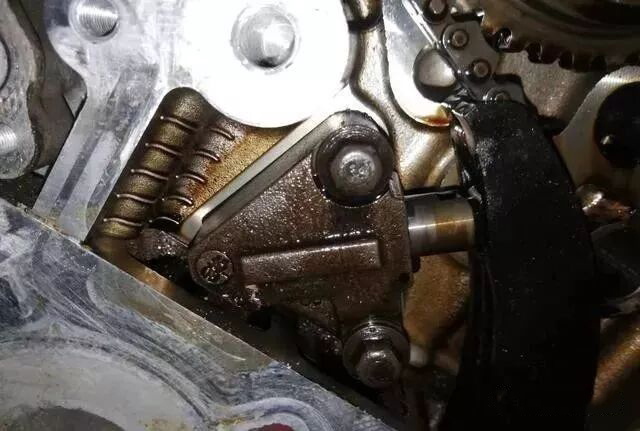
Cadillac uses a tensioner (that small component in the picture). We first removed the hydraulic tensioner, then the chain guides, after which we could take off the intake and exhaust timing adjuster wheels. A key reminder: the adjuster wheels are differentiated between intake and exhaust, marked "IN" for intake and "EX" for exhaust. Don’t mix them up!
Cadillac uses a tensioner (that small component in the picture). We first removed the hydraulic tensioner, then the chain guides, after which we could take off the intake and exhaust timing adjuster wheels. A key reminder: the adjuster wheels are differentiated between intake and exhaust, marked "IN" for intake and "EX" for exhaust. Don’t mix them up!
Installation Steps: Clean First, Then Assemble in Order
Before installation, we thoroughly cleaned the engine to remove old oil stains and debris, this ensures proper fitment and prevents future issues.
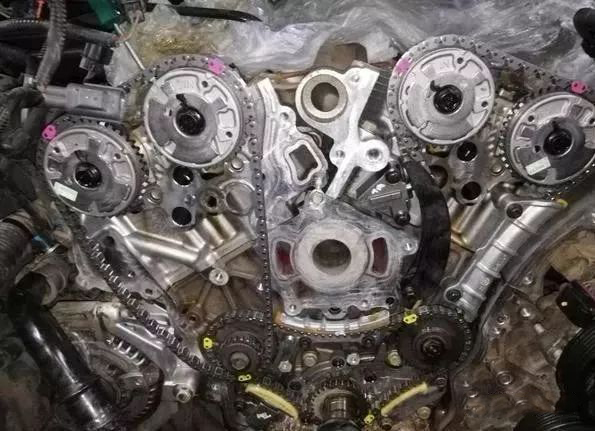
Then we installed all components in the correct order: 4 timing wheels, 3 hydraulic tensioners, the timing chain, and the chain guides. Remember to follow the reverse disassembly order: right, bottom, left. We double checked the timing alignment (triangles to triangles, dots to dots) to avoid any mistakes.
Then we installed all components in the correct order: 4 timing wheels, 3 hydraulic tensioners, the timing chain, and the chain guides. Remember to follow the reverse disassembly order: right, bottom, left. We double checked the timing alignment (triangles to triangles, dots to dots) to avoid any mistakes.
Dangers of Not Replacing a Faulty Camshaft Adjuster
It’s critical to address a faulty camshaft adjuster promptly. While the vehicle might seem fine in the short term, the problem will gradually worsen. Eventually, it could lead to stalling on the road and failure to restart.
The worst case scenario? Excessive timing adjustment error leads to timing misalignment, which can stretch or break the timing chain. A broken timing chain will cause the pistons to collide with the valves, resulting in complete engine failure, an expensive repair that’s best avoided.
The worst case scenario? Excessive timing adjustment error leads to timing misalignment, which can stretch or break the timing chain. A broken timing chain will cause the pistons to collide with the valves, resulting in complete engine failure, an expensive repair that’s best avoided.
Final Thoughts on P0017 Cadillac Repairs
This P0017 Cadillac CTS repair highlights how a longitudinal engine layout simplifies the process of replacing the timing adjuster. For anyone dealing with p0017 (camshaft position sensor bank 1) in their Cadillac, whether it’s a P0017 Cadillac CTS, P0017 Cadillac SRX, or another model, remember that timely replacement of the timing adjuster is key to preventing catastrophic engine damage.
While the disassembly is tedious, following the correct order and timing alignment guidelines ensures a successful repair. If you’re facing similar issues, don’t hesitate to seek professional help to avoid making costly mistakes.
While the disassembly is tedious, following the correct order and timing alignment guidelines ensures a successful repair. If you’re facing similar issues, don’t hesitate to seek professional help to avoid making costly mistakes.