



P0171 Chevy Cruze Tahoe Silverado Trax Malibu Equinox Sonic
2026-01-16
Recently, I worked on a 2011 Chevy Cruze 1.8L with around 45,000 km on the odometer, where the customer reported a yellow check engine light, rough startup, sluggish acceleration, and a noticeable air leak sound when pressing the gas pedal. After diagnosis, the core issue turned out to be the Chevy P0171 code, also known as PO171 or p0171 code chevy, indicating a lean fuel mixture.
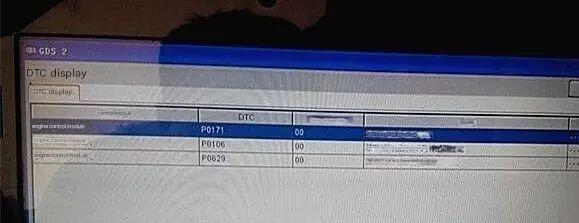
Alongside it, we found P0106 (Manifold Absolute Pressure Sensor performance) and P0629 (Fuel Pump Relay Control Circuit High Voltage). In this blog, I’ll walk you through my step by step troubleshooting process, from the initial misdiagnosis to the final fix. While this case is specific to the P0171 Chevy Cruze, the diagnostic logic applies to other Chevy models like the P0171 Chevy Silverado, P0171 Chevy Malibu, or P0171 Chevy Tahoe too.

Alongside it, we found P0106 (Manifold Absolute Pressure Sensor performance) and P0629 (Fuel Pump Relay Control Circuit High Voltage). In this blog, I’ll walk you through my step by step troubleshooting process, from the initial misdiagnosis to the final fix. While this case is specific to the P0171 Chevy Cruze, the diagnostic logic applies to other Chevy models like the P0171 Chevy Silverado, P0171 Chevy Malibu, or P0171 Chevy Tahoe too.
1. Vehicle Information & Customer’s Complaint
The vehicle in question was a 2011 Chevy Cruze 1.8L with approximately 45,000 kilometers driven. The customer told me the issues started a few days prior: the check engine light came on yellow, then turned off automatically the next day after the engine was shut off. Since then, they mainly drove short distances (around 4 km each trip), but when they took a 20 km drive yesterday, the check engine light came back on.
Now, the car would shake a few times when starting, accelerate sluggishly, and make a hissing air leak sound when the gas pedal was pressed. These symptoms are classic for P0171 Chevy Cruze, as a lean fuel mixture often causes power loss and rough operation, something I’ve also observed in p0171 chevy trax and p0171 chevy equinox repairs.
Now, the car would shake a few times when starting, accelerate sluggishly, and make a hissing air leak sound when the gas pedal was pressed. These symptoms are classic for P0171 Chevy Cruze, as a lean fuel mixture often causes power loss and rough operation, something I’ve also observed in p0171 chevy trax and p0171 chevy equinox repairs.
2. Initial Diagnosis & First Repair Attempt
My first step was to scan the Engine Control Module (ECM) for fault codes. The scan revealed three codes: Chevy P0171 (Fuel Trim System Voltage Low, which translates to a lean air fuel mixture), P0106 (Manifold Absolute Pressure (MAP) Sensor Performance), and P0629 (Fuel Pump Relay Control Circuit High Voltage). The engine temperature was normal, so overheating wasn’t a contributing factor.
When I talked to the customer further, they mentioned refueling at a small, unfamiliar gas station out of town. Based on this, I initially suspected poor fuel quality was the cause of the P0171 code in the Chevy. To address this, I cleaned the fuel injectors and throttle body thoroughly, then cleared all fault codes. I advised the customer to test drive the car, but unfortunately, after a 20 km drive, the check engine light came back on, and the air leak sound became even more obvious. This told me the root cause wasn’t fuel quality, instead, there was a problem with the intake system, a common culprit in P0171 Chevy Sonic and other Chevy models.
3. In Depth Troubleshooting for Chevy P0171
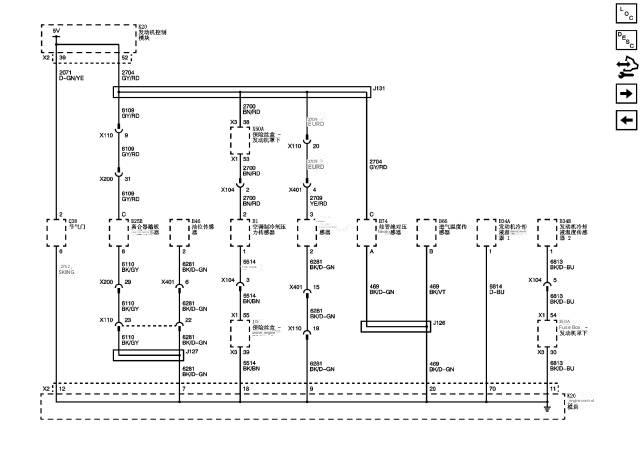
Since the fuel system cleaning didn’t work, I shifted my focus to the intake system. The Chevy P0171 code typically indicates an imbalance between air and fuel, often caused by unmeasured air entering the engine (a vacuum leak). I knew the ECM was misjudging the fuel trim due to intake system issues, so I referenced the original factory wiring diagram to locate key sensors and components.
To confirm the lean mixture, I performed a system test: I let the engine reach operating temperature, then used a diagnostic scanner to monitor the Long Term Fuel Trim (LTFT) parameter. For most Chevy models, including the Cruze, the LTFT should be less than about 18% when the engine is at operating temperature. If it’s 18% or higher, it confirms a lean condition. Next, I checked the MAP sensor readings, with the ignition on and engine off, the reading should be within the normal atmospheric pressure range (proving the sensor itself is working). When the engine was idling in Park or Neutral, the MAP sensor reading should be between 19–42 kPa (2.8–6.1 psi).
If the MAP sensor readings don’t meet these standards, the next steps are to check two main areas: 1) Vacuum leaks in the intake system, including the intake pipe, throttle body, brake booster hoses, fuel injector vacuum lines, and Positive Crankcase Ventilation (PCV) system leaks (such as cracked, kinked, or improperly connected hoses); 2) Fuel system issues like low fuel level, insufficient fuel pressure, contaminated fuel, or faulty injectors. This troubleshooting framework is universal for Chevy models, whether you’re dealing with a P0171 Chevy Cruze or a P0171 Chevy Tahoe.
4. Fault Resolution: Replacing the Damaged Check Valve
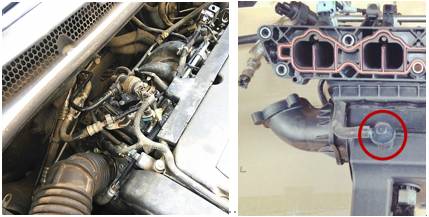
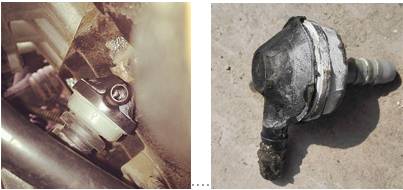
I began inspecting the intake system hoses for air leaks and quickly found the problem: there was a leak at the bottom of the intake manifold, caused by a damaged one way check valve. Upon closer inspection, I realized the plastic valve had cracked and developed holes. This was due to a design flaw where the valve is positioned close to the engine block, and long term exposure to high temperatures caused the plastic to age, crack, and perforate. This is a common issue in 2011 Chevy Cruze 1.8L models, similar to how certain intake components fail in P0171 Chevy Silverado models after prolonged heat exposure.
I replaced the damaged check valve with a new OEM part. After replacement, I restarted the engine and verified the fixes: the air leak sound was gone, the engine ran smoothly without shaking, and acceleration returned to normal. I scanned the ECM again, all fault codes (Chevy P0171, P0106, P0629) were cleared and didn’t reappear during a test drive. The customer later confirmed the check engine light stayed off, and the vehicle performed perfectly during daily use.
5. Repair Review & Preventive Tips
This case highlights that the normal operation of the PCV system depends on engine tightness, so it’s crucial to inspect the engine thoroughly to identify potential causes when troubleshooting Chevy P0171. To avoid missing similar issues, always rule out all possible faults systematically, don’t jump to conclusions (like I initially did with fuel quality) without comprehensive testing.
If your Chevy has a rough idle (a common symptom of P0171 Chevy Equinox and other models), check for clogs in the PCV vent holes, dirty PCV filters or air filters, or blocked hoses. Replace these components if necessary. You can also perform this simple PCV system check: 1) Remove the PCV hose from the cylinder head and let the engine idle; 2) Place your thumb over the end of the hose to check for vacuum; 3) If there’s no vacuum, turn off the engine and inspect the PCV vent holes in the cylinder head cover for debris or clogs.
Preventive maintenance is key to avoiding Chevy P0171 issues: Regularly inspect intake system hoses and PCV components for signs of aging or damage, especially those near the engine block where heat exposure is high. Using quality fuel can also help prevent fuel system related triggers of PO171, though in this case, the fuel quality was a red herring.
Final Thoughts
The chevy P0171 code (PO171) is a common issue across many Chevy models, from the P0171 Chevy Cruze to the p0171 chevy malibu. While it often points to a lean fuel mixture, the root cause can vary, from vacuum leaks to sensor failures. By following a systematic troubleshooting process and not rushing into repairs, you can save time and avoid unnecessary parts replacement.
If you’re dealing with a P0171 code in your Chevy vehicle, start by checking for vacuum leaks in the intake and PCV systems, this is the most frequent cause. If you’re not comfortable with DIY diagnostics, consult a professional mechanic who specializes in Chevy vehicles.