



P0300 GMC Code Po300 Random Multiple Cylinder Misfire
2025-12-10
In this post, I’ll share my insights on dealing with the p0300 GMC fault code, also commonly referred to as po300, cylinder misfire, GMC code p0300, or DTC p0300 GMC. This guide covers what the P0300 code means, targeted troubleshooting steps (especially for 120,000 mile GMC vehicles), practical solutions, and key notes to avoid costly mistakes.
Whether you’re facing p0300 gmc sierra, p0300 gmc yukon, p0300 gmc acadia, or p0300 gmc terrain issues, the core principles here apply to most GMC models with similar engine configurations.
Whether you’re facing p0300 gmc sierra, p0300 gmc yukon, p0300 gmc acadia, or p0300 gmc terrain issues, the core principles here apply to most GMC models with similar engine configurations.
First, Understand: What Exactly is the P0300 GMC Code?
Let me start by breaking down the basics: the official definition of the p0300 GMC code (or po300 for short) is "Random/Multiple Cylinder Misfire". There are two critical points to grasp here, especially if you’re dealing with GMC code P0300 on your Sierra, Yukon, or other models:
- "Random/Multiple Cylinders": Unlike codes like P0301 (Cylinder 1 Misfire) or P0302 (Cylinder 2 Misfire), which point to a specific cylinder, DTC P0300 GMC means the misfire isn’t limited to one cylinder it occurs randomly or affects multiple cylinders at once. This usually indicates a problem with a "shared system" rather than a single cylinder’s components (like a faulty injector for one cylinder).
- The Nature of "Cylinder Misfire": When the engine runs, the air fuel mixture in the cylinders fails to ignite or burn fully, which means the cylinder can’t produce effective power. For those of you who’ve felt the symptoms of p0300 gmc acadia or p0300 gmc terrain, this translates to poor acceleration, delayed shifting, and sky high fuel consumption exactly what the GMC Savana owner I helped experienced. Additionally, unburned fuel enters the exhaust system, not only increasing fuel use (the ECU mistakenly adds more fuel, thinking there’s a shortage) but also risking damage to the catalytic converter.
Linking this to the "lean fuel system" symptom mentioned earlier: a lean fuel mixture (too much air, too little fuel) is one of the most common causes of cylinder misfire in p0300 GMC cases. And misfire, in turn, worsens fuel consumption a vicious cycle that needs to be broken quickly.
Targeted Troubleshooting: Focus on 120,000-Mile GMC Vehicles
For GMCs with 120,000 miles or more, faults typically fall into three categories: aging wear parts, carbon buildup, and pipeline leaks. Based on the characteristics of the 5.3L V8 engine (common in p0300 gmc sierra and p0300 gmc yukon), I recommend troubleshooting from the easiest to the hardest, and from lowest to highest cost this avoids unnecessary part replacements.
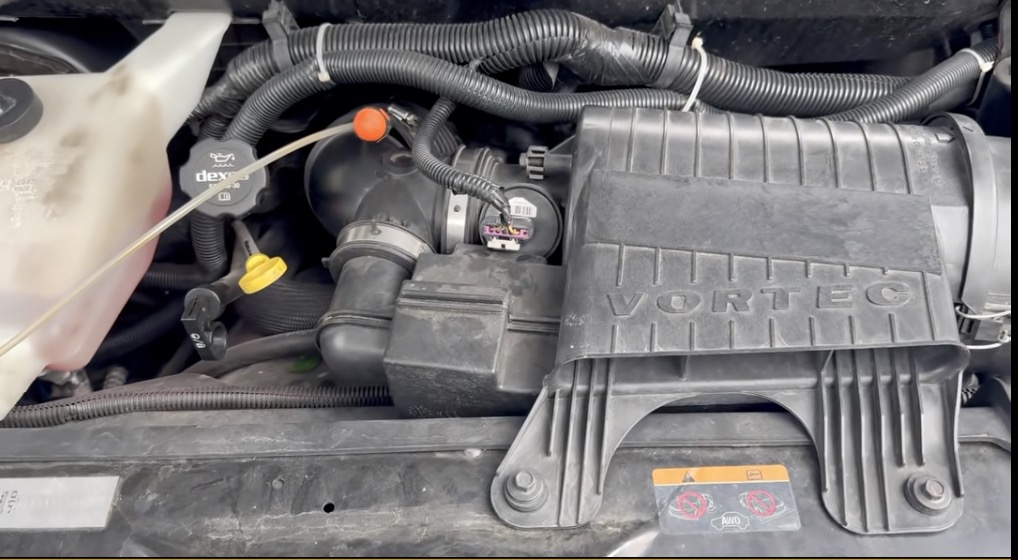
Step 1: Basic Checks (Zero/Low Cost, Prioritize First)
- Inspect Spark Plugs and Ignition Coils: This is the top culprit for cylinder misfire in large displacement naturally aspirated engines like those in p0300 GMC vehicles. Spark plugs for most GMC models (including Acadia and Terrain) should be replaced every 60,000 to 80,000 miles. At 120,000 miles, it’s almost certain that the electrodes are worn, carbon fouled, or the gap is too large (standard gap: 0.8-1.0mm), leading to insufficient ignition energy and poor combustion. My approach: Remove and inspect all 8 spark plugs. Look for signs of ablation, carbon buildup, or excessive gap. For ignition coils, use the "swap method" swap a suspected faulty coil with one from a known good cylinder. If the p0300 GMC code follows the swapped coil, that coil is defective and needs replacement.
- Check Air Filter and Intake Hoses: A clogged air filter doesn’t cause a lean mixture instead, air leaks in the intake system (like cracked hoses, loose clamps, or aging intake manifold gaskets) let extra air enter the cylinders, resulting in a lean fuel mixture and subsequent cylinder misfire. This is a common issue across p0300 gmc sierra, yukon, and terrain models. My approach: Replace the air filter first (it’s cheap and easy). Then, inspect the intake hoses section by section for cracks and ensure all clamps are tight. For intake manifold gaskets, use the "carb cleaner test": with the engine idling, spray carb cleaner around the junction of the intake manifold and cylinder block. If the engine speed changes, there’s a leak.
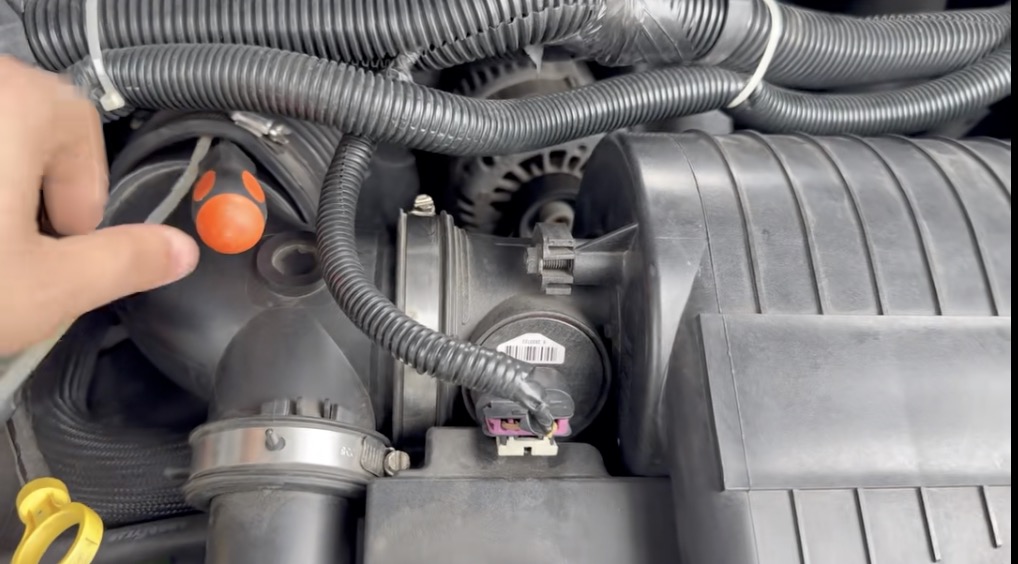
Step 2: Fuel System Checks (Core Link to "Lean Fuel System")
The main cause of a lean fuel system is either "insufficient fuel supply" or "excessive air intake" (we already checked for air leaks in Step 1). So, focus on the fuel supply side critical for resolving p0300 GMC issues:
- Test Fuel Pressure: The standard fuel pressure for 5.3L V8 GMC engines (common in p0300 gmc sierra and yukon) is 55-62psi at idle. Low fuel pressure means the injectors can’t deliver enough fuel, resulting in a lean mixture. Common causes: Aging fuel pump (120,000 miles is a typical failure mileage), clogged fuel filter (replace every 60,000 miles), or faulty fuel pressure regulator.
- Inspect Fuel Injectors: Clogged or poorly atomized injectors prevent fuel from spraying evenly in the cylinders, causing local lean mixtures and cylinder misfire. Carbon buildup on injectors is inevitable in 120,000 mile GMCs, whether it’s an Acadia, Terrain, or Savana. My approach: Use injector testing equipment to check fuel delivery and atomization. If clogging is mild, perform ultrasonic cleaning. If the injectors are severely worn (e.g., stuck needles), replace all 8 at once to ensure balanced power across cylinders.
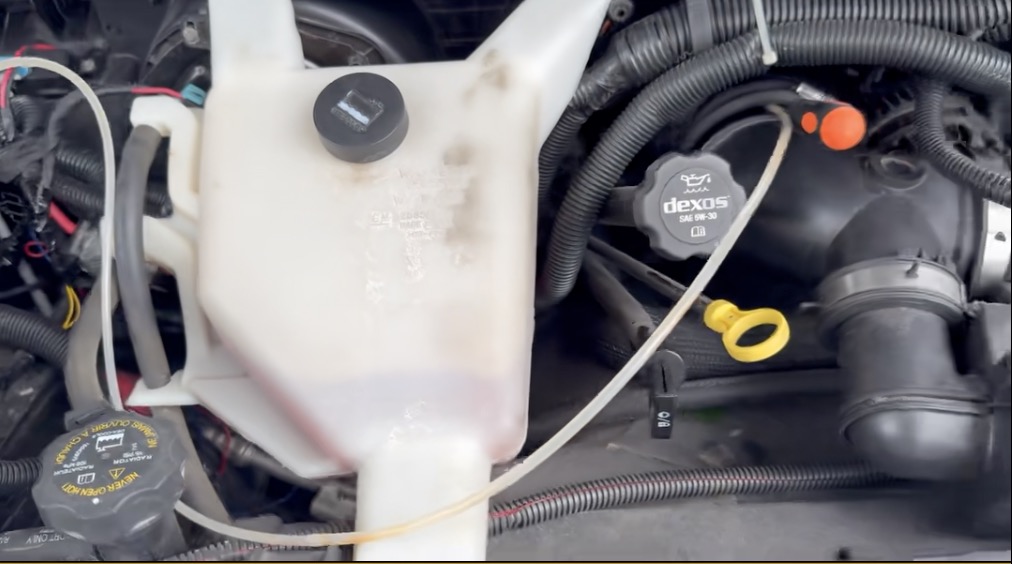
Step 3: Sensor and Control Unit Checks (Electronic System Faults)
Engine sensors act like "nerve endings." Abnormal sensor signals cause the ECU to make incorrect fuel injection and ignition timing decisions, leading to cylinder misfire and lean fuel mixtures. This is a frequent trigger for DTC P0300 GMC:
- Oxygen Sensor: It monitors oxygen levels in the exhaust and sends signals to the ECU to adjust fuel injection. Aging or carbon fouled oxygen sensors (especially the front one near the engine) send wrong signals, causing the ECU to reduce fuel delivery and create a lean mixture. For 120,000 mile GMCs, replacing the front oxygen sensor is often necessary to fix p0300 issues.
- Mass Air Flow (MAF) Sensor: It measures the amount of air entering the engine, which is critical for the ECU to calculate fuel injection volume. A dirty or faulty MAF sensor leads to inaccurate air measurement and unbalanced air fuel mixture common in p0300 gmc terrain and acadia models. My approach: Clean the sensor probe with dedicated MAF cleaner (never touch the probe with your hands). If the p0300 GMC code persists after cleaning, replace the sensor.
- Crankshaft Position Sensor: It detects crankshaft speed and position to control ignition timing. Unstable signals from this sensor cause incorrect ignition timing, leading to random cylinder misfire. It also causes delayed shifting (since the transmission relies on engine speed signals), which matches the symptoms the Savana owner reported.
Step 4: Engine Mechanical Checks (Last Resort, Higher Cost)
If the above checks don’t resolve the p0300 GMC code, you’ll need to consider engine mechanical faults. These are less common in 120,000 mile GMCs but still possible, especially if regular maintenance was neglected:
- Severe Valve Carbon Buildup: The 5.3L V8 engine uses an overhead valve design. Over time, carbon buildup on the valve backs restricts valve opening, causing insufficient intake or poor exhaust, leading to cylinder misfire. cleaning (walnut shell blasting) is an effective solution for this issue in p0300 gmc sierra and yukon models.
- Low Cylinder Compression: Issues like worn valve seals, damaged piston rings, or leaking head gaskets prevent the cylinder from building sufficient compression, making it impossible for the air fuel mixture to burn properly. You’ll need a compression test and leak down test to confirm. Repair costs here are high (e.g., replacing piston rings or valve seals), so this should be your final check.
My Recommended Solution for This 120,000 Mile GMC
Based on the vehicle’s condition (120,000 miles, 5.3L V8, lean fuel system + p0300 GMC code), the problem is most likely due to "aging ignition system parts + carbon buildup + possible fuel supply issues". I recommend resolving it in the following order (aligned with troubleshooting priorities):
- Basic Maintenance (Must-Do): Replace spark plugs (I recommend OEM NGK or ACDelco), air filter, and fuel filter. Clean the MAF sensor and throttle body carbon buildup. Inspect intake hoses and clamps, replace aging intake manifold gaskets if leaks are found. This step alone resolves p0300 GMC issues in many cases, especially for p0300 GMC Acadia and Terrain models.
- Fuel System Optimization: Perform ultrasonic cleaning on the fuel injectors. Test fuel pressure if it’s below the standard range, replace the fuel pump (OEM parts are recommended to avoid future failures). This addresses the "lean fuel system" root cause.
- Sensor Replacement: Replace the front oxygen sensor if its signal is abnormal (confirmed via diagnostic tools). If the crankshaft position sensor signal is unstable, replace it as well. This fixes both cylinder misfire and delayed shifting.
- Verification and Follow-Up: After repairs, use a diagnostic scanner to clear the P0300 GMC code. Start the engine and let it idle for 10-15 minutes to check if the check engine light reappears. Then take a test drive (including city traffic and highway) to verify if power is restored, shifting is smooth, and fuel consumption drops. For a 5.3L V8 GMC, normal highway fuel consumption should be around 18-22 MPG 25 MPG (or higher) is severely abnormal, so a drop to the normal range indicates success.
Key Tips for GMC Owners Facing P0300 Issues
- Once the check engine light comes on with p0300 GMC (or po300), avoid highway driving and heavy loads. Unburned fuel can damage the catalytic converter, which costs thousands of dollars to replace. This applies to all models, from the p0300 GMC Sierra to the Yukon.
- Stick to regular maintenance for older GMCs: Replace spark plugs every 60,000-80,000 miles, fuel filters every 60,000 miles, and air filters every 10,000-20,000 miles. Clean the throttle body and injectors every 20,000-30,000 miles to prevent cylinder misfire and p0300 codes.
- Refuel at reputable gas stations to avoid low quality fuel, which increases carbon buildup and fuel system faults. This is a simple way to prevent DTC P0300 GMC.
Final Thoughts
For 120,000 mile GMCs (whether it’s a Savana, Sierra, Yukon, Acadia, or Terrain) with the p0300 GMC code, combined with symptoms like lean fuel system, poor power, and high fuel consumption, the core issues almost always lie in the ignition system, fuel supply, or intake system. Troubleshooting in the order of "basic checks → fuel system → sensors → mechanical parts" minimizes repair costs and avoids blind part replacement.
If you’re not comfortable with DIY repairs, take your vehicle to a GMC-specialized repair shop. They can use diagnostic tools to read detailed data (like misfire counts per cylinder, fuel trim values, and oxygen sensor voltage changes) to pinpoint the issue accurately. After repairs, always take a test drive to ensure the P0300 GMC code is fully resolved.