



P0455 GMC Sierra Yukon Acadia Envoy Evap System Leak
2026-01-11
If your GMC’s check engine light turns on and an OBD-II scanner retrieves the P0455 code, also known as po455, which stands for “evap control system leak (large leak)”, it means your vehicle’s Evaporative Emission (EVAP) system has a significant leak that’s allowing fuel vapors to escape into the atmosphere. This issue is common across various GMC models, including the p0455 GMC Sierra, p0455 GMC Yukon, p0455 GMC Acadia, and p0455 GMC Envoy.
In this blog, I’ll break down the core meaning of P0455 GMC, outline its most prevalent causes, walk you through step by step diagnostic procedures, and share real world repair cases to help you resolve the issue effectively. Whether you’re a DIY enthusiast or planning to visit a mechanic, this guide provides practical insights tailored to GMC owners.
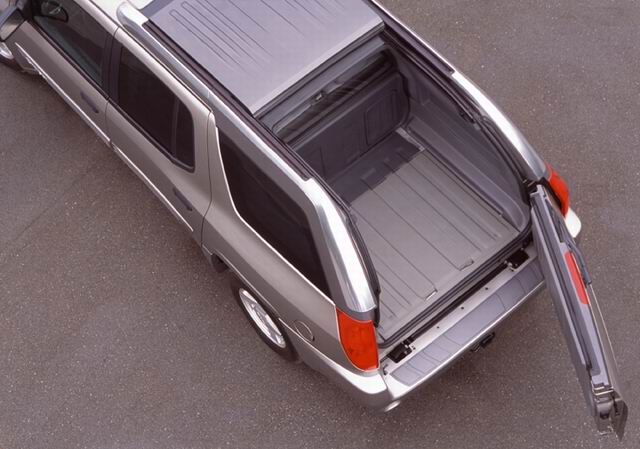
In this blog, I’ll break down the core meaning of P0455 GMC, outline its most prevalent causes, walk you through step by step diagnostic procedures, and share real world repair cases to help you resolve the issue effectively. Whether you’re a DIY enthusiast or planning to visit a mechanic, this guide provides practical insights tailored to GMC owners.
1. What Is P0455 GMC (EVAP Control System Large Leak)?
To start, let’s clarify the basics of the P0455 GMC code. The EVAP system’s primary function is to capture and store fuel vapors from the fuel tank, preventing them from polluting the air. It consists of key components like the fuel tank cap, EVAP hoses, charcoal canister, vent solenoid, and purge solenoid. A “large leak” (po455) means the system can’t hold pressure, typically due to a gap or break in one of these components that’s large enough to disrupt the EVAP system’s seal.
Common symptoms of P0455 GMC include: a steady check engine light (rarely flashing), a faint fuel odor around the vehicle (especially after refueling), and in some cases, slightly reduced fuel efficiency. For models like the p0455 gmc sierra (a full size pickup) and p0455 gmc yukon (a full size SUV), these symptoms may be more noticeable after off roading or driving on rough terrain, as undercarriage components (like EVAP hoses) are more prone to damage. Older models such as the p0455 GMC Envoy may also exhibit more pronounced fuel odors due to aging EVAP parts.
2. Common Causes of P0455 GMC
P0455 GMC almost always traces back to issues that cause large leaks in the EVAP system. Below are the most frequent culprits, ranked by likelihood:
2.1 Loose, Damaged, or Missing Fuel Tank Cap
This is the simplest and most common cause of P0455 GMC. The fuel tank cap seals the fuel tank, and a loose cap (not tightened properly after refueling), a cap with a worn rubber gasket, or a missing cap can create a large leak. This issue is universal across GMC models, from the p0455 GMC Acadia to the p0455 GMC Sierra.
2.2 Cracked or Disconnected EVAP Hoses
EVAP hoses connect the fuel tank, charcoal canister, and solenoids. Over time, these hoses can crack, harden, or disconnect due to heat, vibration, or road debris. A cracked hose (especially a large one) is a major trigger for po455 (evap control system leak). This is particularly common in p0455 GMC Yukon models used for off roading, where undercarriage hoses are exposed to rocks and rough surfaces.
2.3 Damaged Charcoal Canister
The charcoal canister stores fuel vapors. If it’s physically damaged (e.g., dented from road impact) or develops cracks, it can’t hold pressure, leading to a large leak. This issue is more common in GMC models with low ground clearance, like the p0455 GMC Acadia, which may scrape the canister on curbs or speed bumps.
2.4 Faulty EVAP Vent/Purge Solenoid
The vent solenoid (controls airflow in the EVAP system) and purge solenoid (directs vapors to the engine) have seals that can wear out or fail. A faulty solenoid with a broken seal can create a large leak. This is a common issue in high mileage GMCs, including the P0455 GMC Envoy.
2.5 Fuel Tank Damage
A cracked or dented fuel tank (from collisions, road debris, or rust) can cause a large leak. While less common than other causes, this is a serious issue that requires immediate attention, especially for p0455 GMC Sierra owners who frequently haul heavy loads or drive on unpaved roads.
3. Step by Step Diagnostic Steps for P0455 GMC
Diagnose P0455 GMC systematically from simplest/cheapest to most complex to avoid unnecessary repairs. You’ll need basic tools: an OBD II scanner, a flashlight, and a socket set (for removing components if needed).
Step 1: Confirm the Code and Check for Related Faults
First, use an OBD II scanner to verify the P0455 code and check for other EVAP related codes (e.g., P0440, P0442, P0446). If other codes appear (e.g., P0446 for vent control issues), address them alongside P0455, as they may share a common cause (e.g., a damaged solenoid). For GMC models like the p0455 GMC Acadia, check GMC’s Technical Service Bulletins (TSBs), some model years have factory guidance for EVAP system leaks.
Step 2: Inspect the Fuel Tank Cap (Easiest Fix First)
Start with the simplest and cheapest check: Ensure the cap is present and tightened properly (turn it until you hear 3–5 clicks). Inspect the cap’s rubber gasket for cracks, wear, or missing pieces. If the gasket is damaged, replace the cap (OEM caps are recommended for GMCs). Clear the P0455 code with the scanner and test drive for 10–15 miles. If the light doesn’t return, the cap was the issue.
Step 3: Visual Inspection of EVAP Components
If the cap is fine, perform a visual inspection of the EVAP system (safely lift the vehicle if needed, or access the undercarriage from the side): Locate the EVAP hoses (usually black or gray, running from the fuel tank to the charcoal canister and solenoids). Check for cracks, splits, or loose connections, and replace any damaged hoses. Inspect the charcoal canister (typically under the rear of the vehicle) for dents, cracks, or signs of fuel leakage. Check the vent and purge solenoids (near the canister or engine bay) for loose connectors or physical damage.
Step 4: Perform a Smoke Test (Most Effective for Large Leaks)
If visual inspection doesn’t find the leak, a smoke test is the most reliable method to locate large EVAP leaks: A smoke machine (available at auto parts stores for rental or used by mechanics) pumps non toxic smoke into the EVAP system. Look for smoke escaping from cracks, loose hoses, or faulty solenoids. This pinpoints the exact leak location. For DIYers without a smoke machine, some auto shops offer EVAP smoke testing for $50–$100, which is cheaper than replacing parts blindly.
Step 5: Test EVAP Solenoids and Fuel Tank
If the smoke test identifies a faulty solenoid: Use a multimeter to test the solenoid’s resistance (follow GMC’s service manual for exact specs, most range from 10–30 ohms). A reading of 0 (short) or infinite (open) means the solenoid is faulty. If the leak is from the fuel tank, have a professional inspect it, tank repairs or replacements require specialized tools and safety precautions.
4. Real World Fix Cases for P0455 GMC
Below are three real world cases of P0455 GMC repairs, covering different models and root causes to illustrate how diagnostics translate to solutions:
Case 1: P0455 GMC Sierra (2019, 5.3L V8) – Loose Fuel Tank Cap
Fault Symptoms: Check engine light on, no other noticeable issues (no fuel odor, normal fuel efficiency). Diagnosis: Scanned code P0455 (po455). Inspected the fuel tank cap, found it was only tightened 1 click (not the required 3–5). The cap’s gasket was in good condition. Fix: Retightened the cap until it clicked 4 times, then cleared the code with an OBD II scanner. Test drove for 20 miles (highway and city), check engine light stayed off. Cost: $0 (DIY fix). Key Takeaway: Always double check the fuel tank cap after refueling. A loose cap is the #1 cause of P0455 GMC, and it’s free to fix.
Case 2: P0455 GMC Acadia (2016, 3.6L V6) – Cracked EVAP Hose
Fault Symptoms: Check engine light on, faint fuel odor after refueling, slight decrease in fuel efficiency (from 21 MPG to 18 MPG). Diagnosis: Scanned code P0455. Visual inspection of EVAP hoses revealed a 2-inch crack in the hose connecting the charcoal canister to the vent solenoid. The crack was caused by rubbing against the vehicle’s frame. Fix: Replaced the cracked EVAP hose with an OEM replacement (Part #13577685). Secured the new hose with zip ties to prevent future rubbing. Cleared the code and test drove, no recurrence. Cost: $35 (OEM hose) + $10 (zip ties) = $45 (DIY) vs. $150+ at a shop. Key Takeaway: EVAP hoses can rub against the frame over time, causing cracks. Securing hoses with zip ties during replacement prevents future leaks.
Case 3: P0455 GMC Envoy (2006, 4.2L I6) – Damaged Charcoal Canister
Fault Symptoms: Check engine light on, strong fuel odor, reduced fuel efficiency (from 16 MPG to 13 MPG). Diagnosis: Scanned code P0455. Visual inspection found the charcoal canister was dented (likely from hitting a rock while off roading) and had a small crack. Smoke test confirmed the canister was leaking. Fix: Replaced the charcoal canister with an OEM part (Part #15220622). Had a mechanic perform the installation (required lifting the vehicle and disconnecting multiple hoses). Cleared the code and test drove, fuel odor disappeared, fuel efficiency returned to normal. Cost: $220 (OEM canister) + $150 (labor) = $370 vs. $600+ at a dealership. Key Takeaway: Older GMC Envoys with high mileage or off road use are prone to charcoal canister damage. A smoke test is critical to confirm canister leaks.
5. Key Tips to Prevent P0455 GMC
- Always tighten the fuel tank cap until you hear 3–5 clicks after refueling.
- Inspect EVAP hoses annually (especially before winter) for cracks, wear, or loose connections.
- Avoid overfilling the fuel tank (stop when the pump clicks off), overfilling can damage the EVAP system.
- For off road enthusiasts (p0455 gmc sierra, yukon owners), install an undercarriage skid plate to protect EVAP components from debris.
- Replace the fuel tank cap every 3–5 years (even if it looks fine), as rubber gaskets wear out over time.
Final Thoughts
The P0455 GMC code (po455, evap control system leak) is a common EVAP issue, but it’s rarely a major mechanical failure. By starting with the simplest fix (checking the fuel tank cap) and progressing to more complex diagnostics (smoke testing), you can save time and money. Whether you drive a p0455 gmc sierra, p0455 gmc yukon, p0455 gmc acadia, or p0455 gmc envoy, systematic diagnosis is key, avoid replacing parts blindly.