



Fixing P0496 Code Cadillac Evap System High Purge Flow
2025-12-09
If you’re dealing with a P0496 Cadillac, whether it’s a P0496 Cadillac CTS, P0496 Cadillac SRX, or P0496 Cadillac XTS, you’re likely facing issues with the fuel vapor emission system.
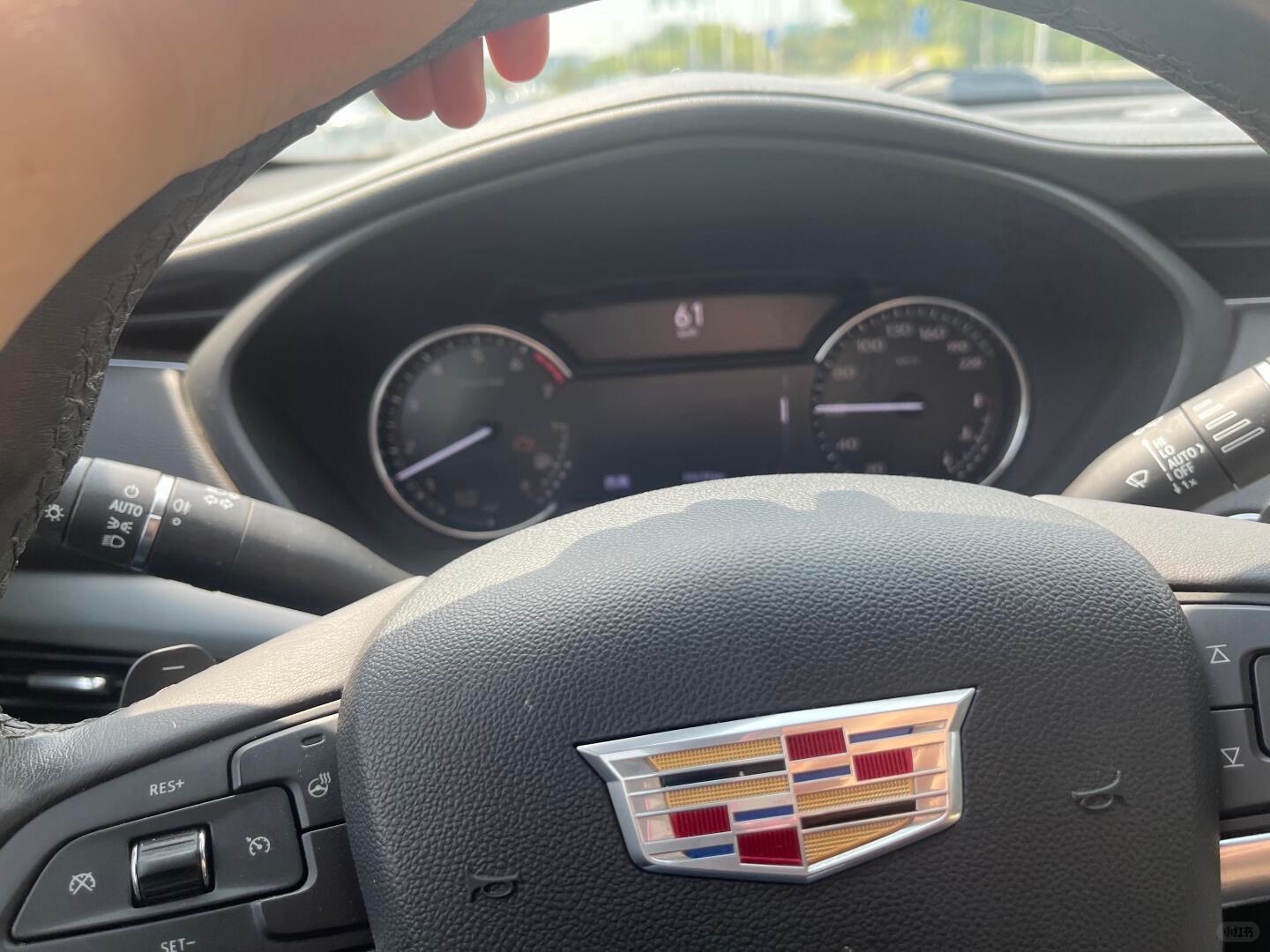
In this blog, I’ll share my first hand experience diagnosing and fixing this common fault code, also known as po496 or evap system high purge flow. I’ll break down what the code means, its most frequent causes, and step by step solutions that have helped me resolve this issue for countless Cadillac owners. Let’s dive in!
In this blog, I’ll share my first hand experience diagnosing and fixing this common fault code, also known as po496 or evap system high purge flow. I’ll break down what the code means, its most frequent causes, and step by step solutions that have helped me resolve this issue for countless Cadillac owners. Let’s dive in!
What Does P0496 Cadillac Mean? (Fault Code Definition)
First, let’s clarify the core meaning of P0496. This code, often referred to as po496 or evap system high purge flow, stands for "Evaporative Emission Control System High Purge Flow."
In simpler terms, when I see this code on a Cadillac, it tells me that the vehicle’s EVAP (Evaporative Emission Control) system is having abnormal issues with either the flow of fuel vapor during the purge process or the voltage control related to this function. Essentially, the system can’t properly recycle and purify fuel vapors as it should, which triggers the fault warning on the dashboard.
In simpler terms, when I see this code on a Cadillac, it tells me that the vehicle’s EVAP (Evaporative Emission Control) system is having abnormal issues with either the flow of fuel vapor during the purge process or the voltage control related to this function. Essentially, the system can’t properly recycle and purify fuel vapors as it should, which triggers the fault warning on the dashboard.
Common Causes of P0496 in Cadillacs
Over the years, I’ve found that P0496 Cadillac issues typically stem from four main problems with the EVAP system or related components. These causes are consistent across various Cadillac models, including the P0496 Cadillac CTS, P0496 Cadillac SRX, and P0496 Cadillac XTS:
1. Gas Cap Issues: A damaged gas cap, loose seal, or improperly closed cap is one of the most common culprits. If the cap can’t seal tightly, fuel vapors leak out, disrupting the pressure balance in the EVAP system. This leak causes the ECU (Engine Control Unit) to detect abnormal flow or voltage signals, triggering the P0496 code.
2. EVAP System Hose/Line Leaks: The hoses, lines, and connectors of the EVAP system can age, crack, or become loose over time, especially in vehicles with high mileage. These leaks allow fuel vapors to escape into the atmosphere, destabilizing the system’s pressure and triggering the fault code.
3. Faulty EVAP Charcoal Canister: The charcoal canister in the EVAP system is responsible for absorbing and storing fuel vapors. If the canister’s internal adsorbent material becomes saturated, damaged, or clogged, it can’t properly absorb or release vapors. This disrupts the purge flow control and leads to the voltage abnormalities associated with P0496.
4. Malfunctioning Purge Valve: The purge valve (or purge solenoid) controls the flow of fuel vapors from the charcoal canister to the engine for combustion. If the valve gets stuck, has a damaged coil, or suffers from wiring issues, it won’t open or close as instructed by the ECU. This inability to regulate purge flow precisely results in the high voltage condition that triggers P0496.
Step-by-Step Solutions to Fix P0496 Cadillac
When diagnosing and repairing P0496 (evap system high purge flow) in Cadillacs, I follow a systematic approach to ensure I address the root cause efficiently. Here’s my go to process:
1. Inspect and Address Gas Cap Problems
I always start with the simplest and most affordable fix: checking the gas cap. First, I examine the cap for cracks, damage, or a worn-out seal. Then, I make sure it’s tightened properly, you should hear a "clicking" sound when it’s fully sealed. If the seal is aging or the cap is damaged, I recommend replacing it with an OEM spec gas cap (original equipment manufacturer). After replacement, I clear the fault code using a diagnostic scanner and test drive the vehicle to see if the code reappears.
2. Check for EVAP System Leaks
If the gas cap isn’t the issue, the next step is to inspect the EVAP system’s hoses, lines, and connectors. I lift the vehicle (ensuring it’s safely supported) and trace the EVAP lines from the fuel tank to the engine bay. I look for signs of cracking, aging, or loose connections. For loose connectors, I simply re-tighten them. For cracked or aged hoses/lines, I replace them with matching OEM parts.
If a minor leak is found and a replacement part isn’t immediately available, I use a specialized EVAP hose repair glue as a temporary fix (though I always recommend a full replacement later). After repairing any leaks, I clear the fault code and perform a leak test using a diagnostic scanner’s EVAP system test function to confirm the seal is restored.
If a minor leak is found and a replacement part isn’t immediately available, I use a specialized EVAP hose repair glue as a temporary fix (though I always recommend a full replacement later). After repairing any leaks, I clear the fault code and perform a leak test using a diagnostic scanner’s EVAP system test function to confirm the seal is restored.
3. Inspect and Replace the EVAP Charcoal Canister
The EVAP charcoal canister is usually located near the fuel tank or inside the rear wheel well. I start by inspecting the canister for oil leaks or physical damage. If I suspect the canister is clogged or saturated, I remove it and perform a blow test to check for airflow (a clogged canister will restrict airflow).
I also use a diagnostic scanner to read EVAP system pressure data, which helps confirm if the canister is malfunctioning. If the canister is faulty, I replace it with an OEM matched unit. I also check the canister’s vent hose to ensure it’s clear and unobstructed, proper ventilation is crucial for the canister to work correctly.
I also use a diagnostic scanner to read EVAP system pressure data, which helps confirm if the canister is malfunctioning. If the canister is faulty, I replace it with an OEM matched unit. I also check the canister’s vent hose to ensure it’s clear and unobstructed, proper ventilation is crucial for the canister to work correctly.
4. Repair or Replace the Purge Valve and Related Wiring
The purge valve is typically located in the engine bay near the intake manifold.
I first inspect the valve’s wiring connectors for looseness or corrosion. If corrosion is present, I clean the connectors and reattach them securely.
Next, I use a multimeter to measure the purge valve’s coil resistance (referencing the Cadillac’s service manual for the correct resistance value). If the resistance is outside the specified range or the coil is open circuited, the valve needs to be replaced. After replacing the purge valve, I use a diagnostic scanner to perform an actuation test, which checks if the valve responds correctly to the ECU’s commands.
Finally, I cleared the fault code and test drove the vehicle to verify that the issue is resolved.
I first inspect the valve’s wiring connectors for looseness or corrosion. If corrosion is present, I clean the connectors and reattach them securely.
Next, I use a multimeter to measure the purge valve’s coil resistance (referencing the Cadillac’s service manual for the correct resistance value). If the resistance is outside the specified range or the coil is open circuited, the valve needs to be replaced. After replacing the purge valve, I use a diagnostic scanner to perform an actuation test, which checks if the valve responds correctly to the ECU’s commands.
Finally, I cleared the fault code and test drove the vehicle to verify that the issue is resolved.
5. Post-Repair Verification Steps
No matter which repair I perform, I always follow these verification steps to ensure the P0496 code is fully resolved.
First, I clear the fault code with a diagnostic scanner. Then, I start the vehicle and let it idle for 5-10 minutes.
Next, I take the vehicle for a short test drive, including acceleration, deceleration, and steady speed driving.
After the test drive, I recheck for fault codes. If P0496 doesn’t reappear and the vehicle runs smoothly with no warning lights, the repair is successful. If the code comes back, I need to further inspect the ECU for control logic issues or look for hidden leaks in the EVAP system that were missed during the initial diagnosis.
First, I clear the fault code with a diagnostic scanner. Then, I start the vehicle and let it idle for 5-10 minutes.
Next, I take the vehicle for a short test drive, including acceleration, deceleration, and steady speed driving.
After the test drive, I recheck for fault codes. If P0496 doesn’t reappear and the vehicle runs smoothly with no warning lights, the repair is successful. If the code comes back, I need to further inspect the ECU for control logic issues or look for hidden leaks in the EVAP system that were missed during the initial diagnosis.
Final Thoughts on P0496 Cadillac Issues
Dealing with a P0496 Cadillac, whether it’s a P0496 Cadillac CTS, P0496 Cadillac SRX, P0496 Cadillac XTS, or any other Cadillac model, doesn’t have to be overwhelming.
Remember that po496 (evap system high purge flow) almost always relates to the EVAP system, and starting with simple fixes (like checking the gas cap) can save you time and money.
If you’re not comfortable performing these repairs yourself, I recommend taking your vehicle to a trusted mechanic or Cadillac dealership. But if you’re a DIY enthusiast, following the steps I’ve outlined here can help you resolve the issue and get your Cadillac back on the road smoothly.
Remember that po496 (evap system high purge flow) almost always relates to the EVAP system, and starting with simple fixes (like checking the gas cap) can save you time and money.
If you’re not comfortable performing these repairs yourself, I recommend taking your vehicle to a trusted mechanic or Cadillac dealership. But if you’re a DIY enthusiast, following the steps I’ve outlined here can help you resolve the issue and get your Cadillac back on the road smoothly.